

“We need Beauty to endure the unendurable.”
– James Janko
The More Lifers You See, The Fewer You Find
Baja California Sur, Mexico
March 2026
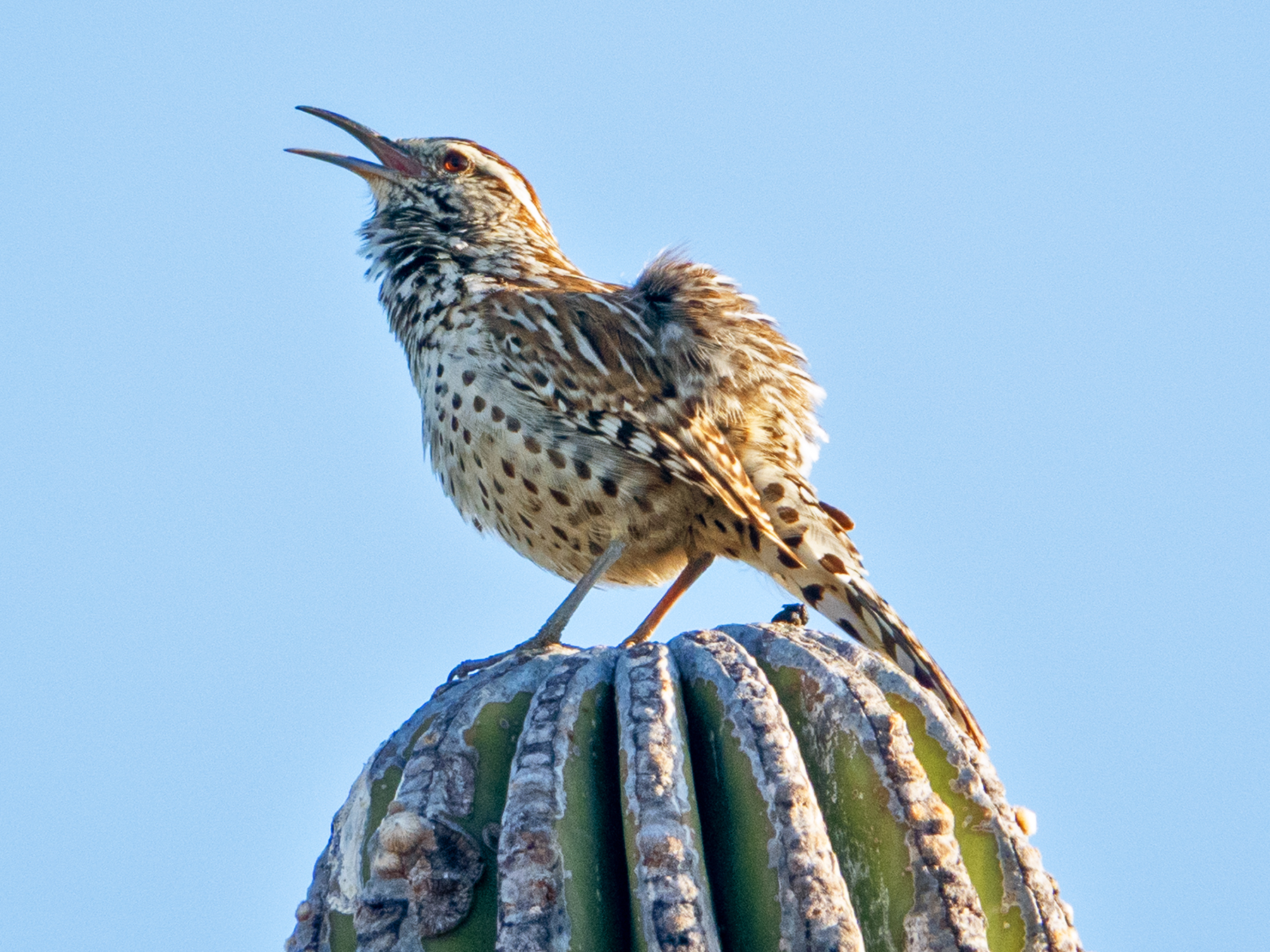
Puttering around our hotel room on our first morning in San José del Cabo, I heard loud squawking coming from our tiny balcony. Three cactus wrens were perched on the chair outside, investigating the towel I had left there to dry.
These wrens seem to be favorites among photographers, partly because of their boisterous personalities, but especially because of their beautifully patterned, speckled plumage. They were lifers for me and high on my list of hoped-for sightings. I didn’t get a photo then, but I managed to capture several later in the trip.
Soon after, I caught a flash of blue—a male blue grosbeak appeared, another lifer.
All but one of the lifers on my list here can also be found in the southwestern United States. Only the gray thrasher is endemic to Baja. We spent the first half of our trip on the Pacific side and the second half along the Gulf of California—different habitats, different birds. Many of the Pacific species range far up the coast, even to where I now live near the Oregon border.
That first day in San José del Cabo, I picked up a free newspaper, The Gringo Gazette (yes, really). The headline read: “Extremely Rare Duck Visits San José Estuary.” The bird in question was a Garganey, which typically winters in Africa and the Indomalayan region.
Birders traveled from across Mexico and the U.S. to see it and add it to their life lists. (I did not see it.) They didn’t come because the bird was especially striking or obviously out of place. It was a female duck, and from my perspective, it looked much like other female ducks—imagine a female mallard. That’s the garganey: modestly mottled brown, subtle and understated.
Am I making fun of life-listers? Well…yes, a little. I admit there’s real pleasure in encountering a new species. But when the main focus of birding becomes adding names to a list, something essential can get lost. The small dopamine hit of “one more tick” pales in comparison to the deeper, more transformative experience of connecting with wildness and beauty.
There’s an old myth about the Wild Twin. It says that each of us has a twin who was cast out at birth—this other self remains wild, free, and fully at home in the natural world. Perhaps birding, at its best, is a way of remembering—and welcoming back—that exiled twin.
I’ve included one bird here that isn’t technically a lifer. I first saw it two years ago in Nevada, but it’s such a striking bird that I couldn’t resist sharing it again: the phainopepla. (Go ahead, try pronouncing it.) I also saw a pyrrhuloxia—an even greater tongue-twister.
These names remind me of the invented drug names in TV ads—perhaps something for Crohn’s disease or eczema. There’s a man on social media who creates science-fiction stories using drug names as characters. Skyrizi, for example, could be the ruler of an ancient underground civilization on Alpha Centauri (or a treatment for plaque psoriasis)!
In the end, the true richness of birding isn’t counted in lifers, but in moments—brief encounters of color, movement, and aliveness that draw us out of ourselves and into the living world. The list may grow, but what matters more is the quiet, steady unfolding of attention, and the simple joy of being there to witness it.
Leave a comment so I know you were here.
Birds images below:
Cactus wren
Blue grosbeak
Phainopepla
Pyrrhuloxia
Gilded flicker
Gray thrasher
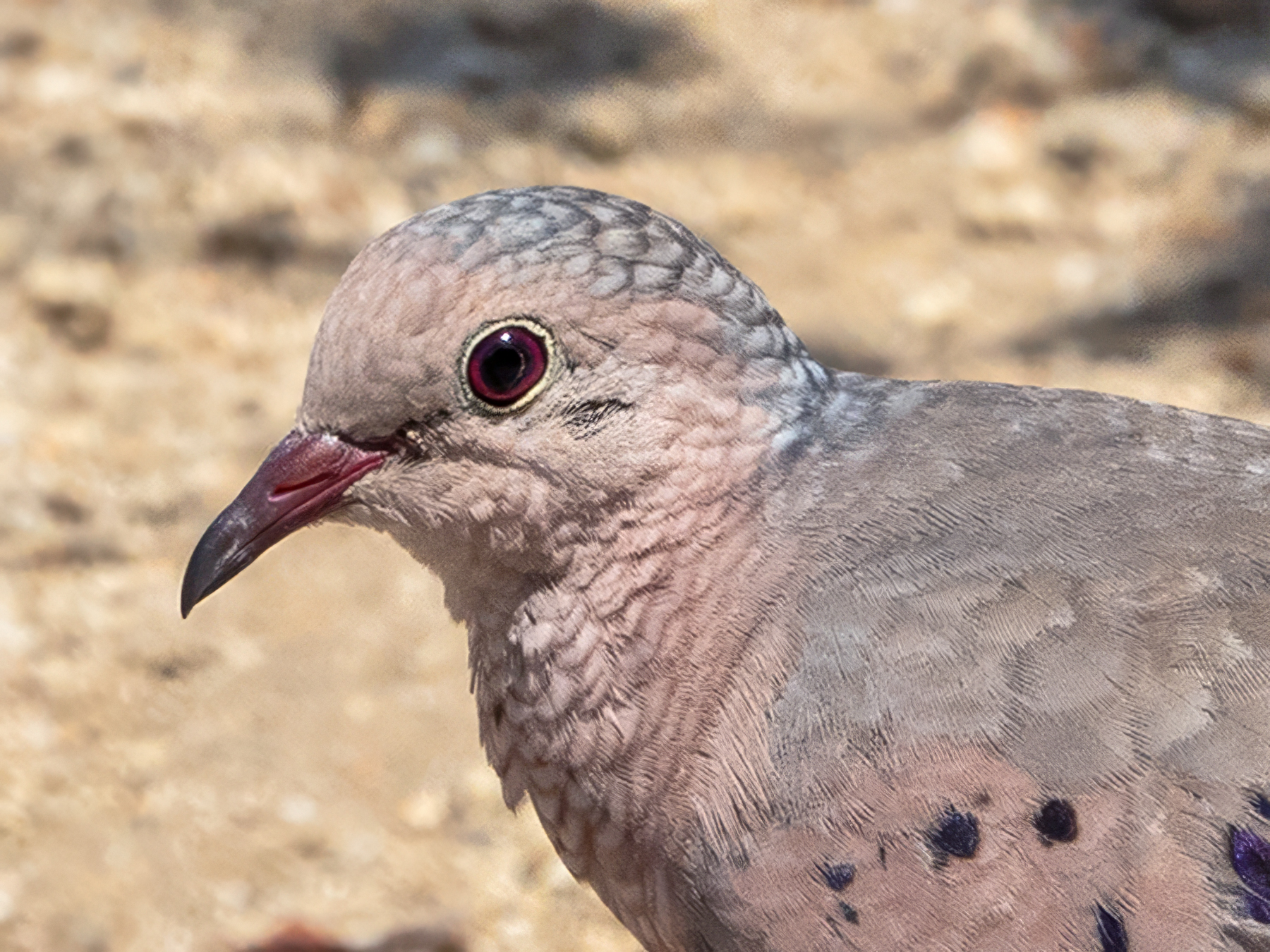
Common ground dove
Ash-throated flycatcher
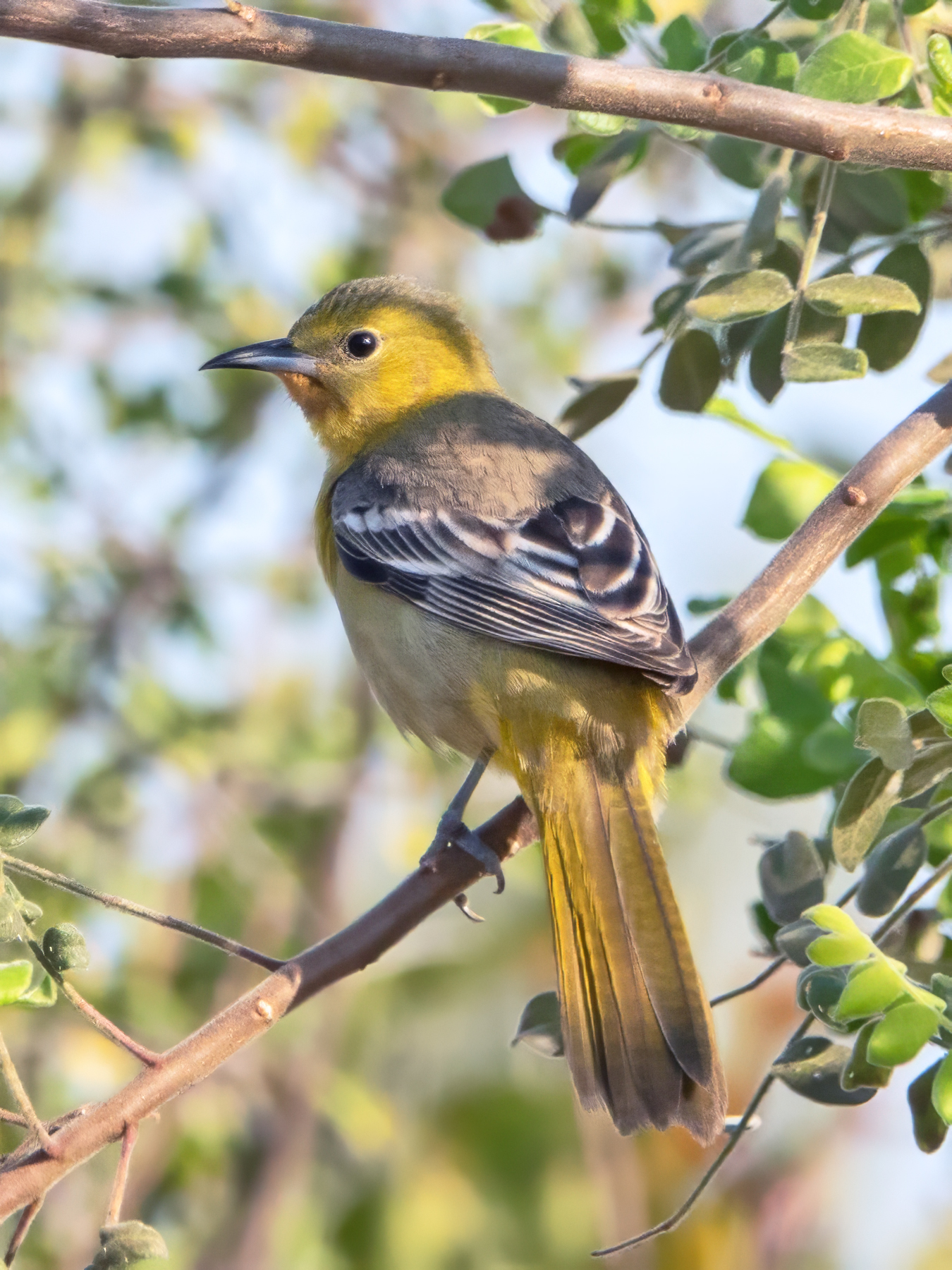
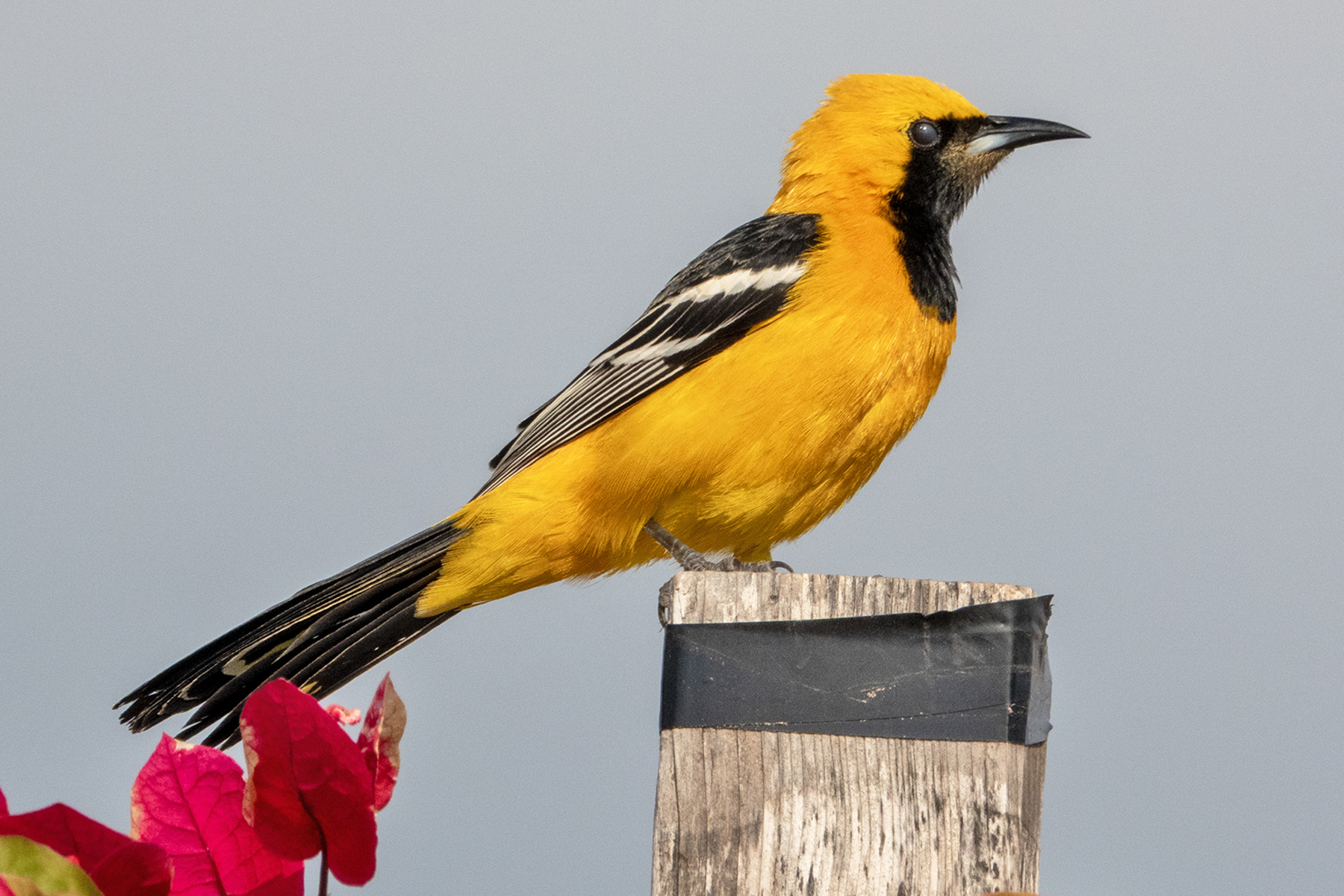
Hooded oriole
Scott’s oriole
Verdin
Laughing Gull
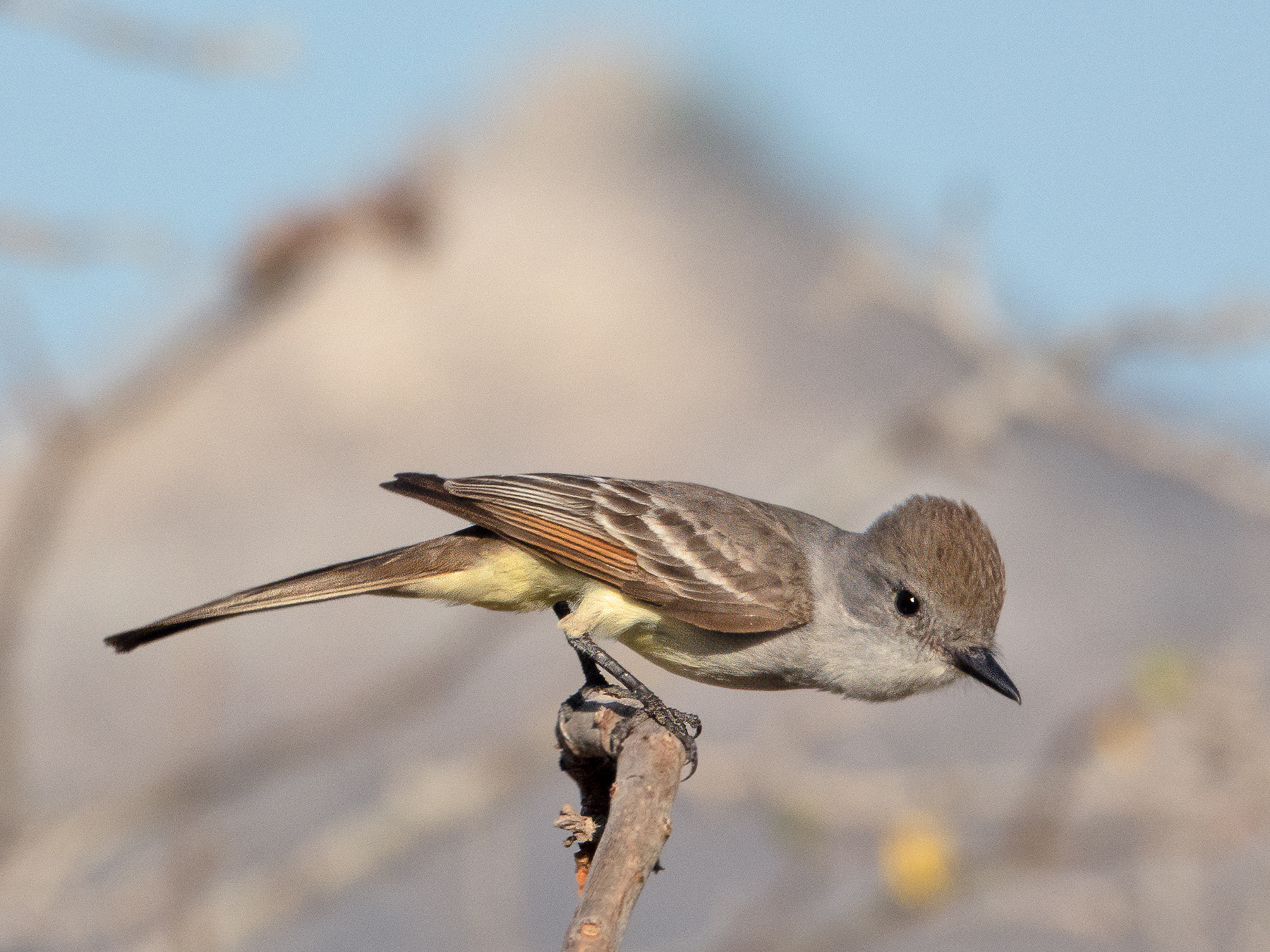
ASH-THROATED FLYCATCHER-1-DSC07549 copy
Ash-throated flycatcher
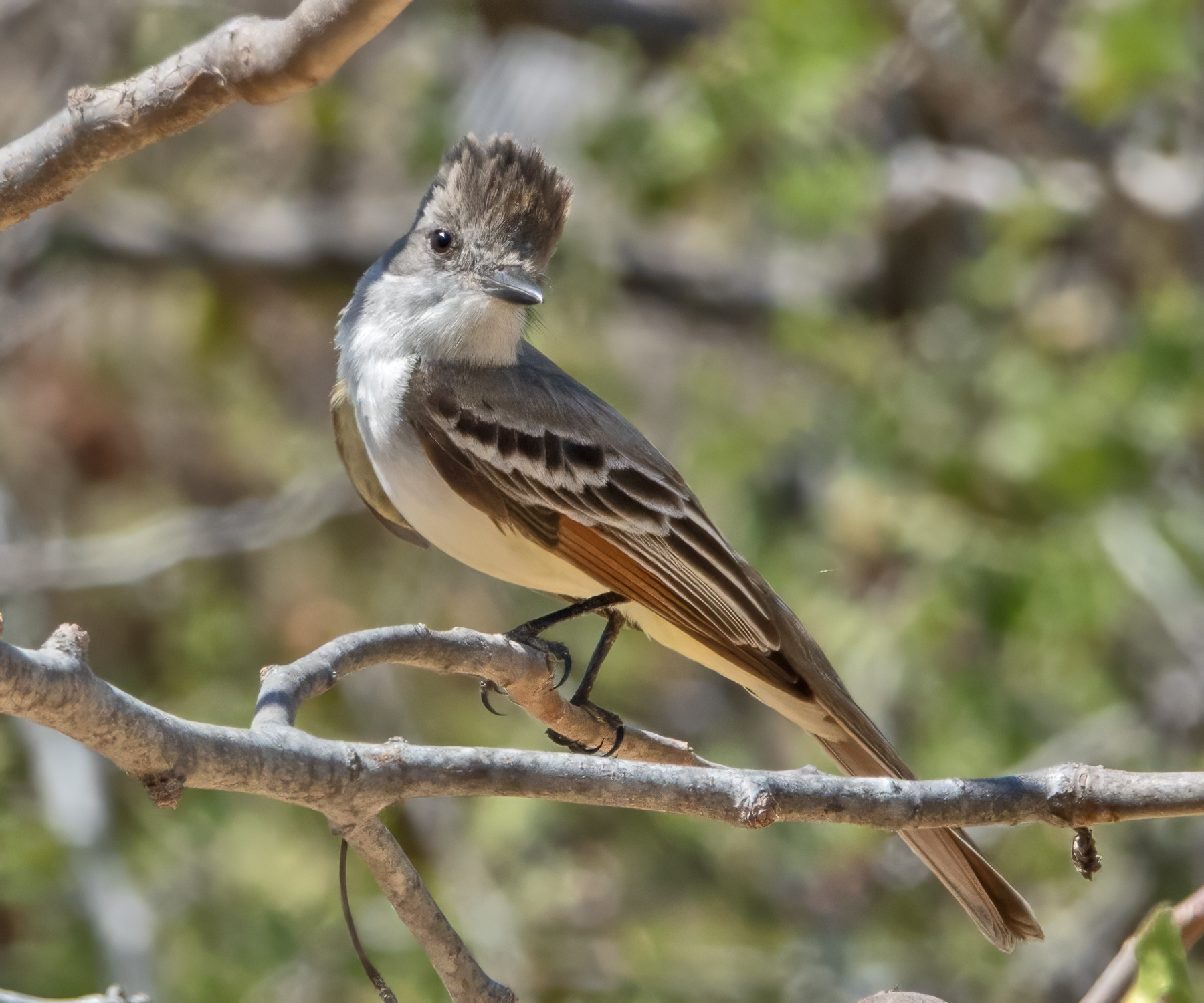
ASH-THROATED FLYCATCHER-1-DSC09574 copy
Ash-throated flycatcher
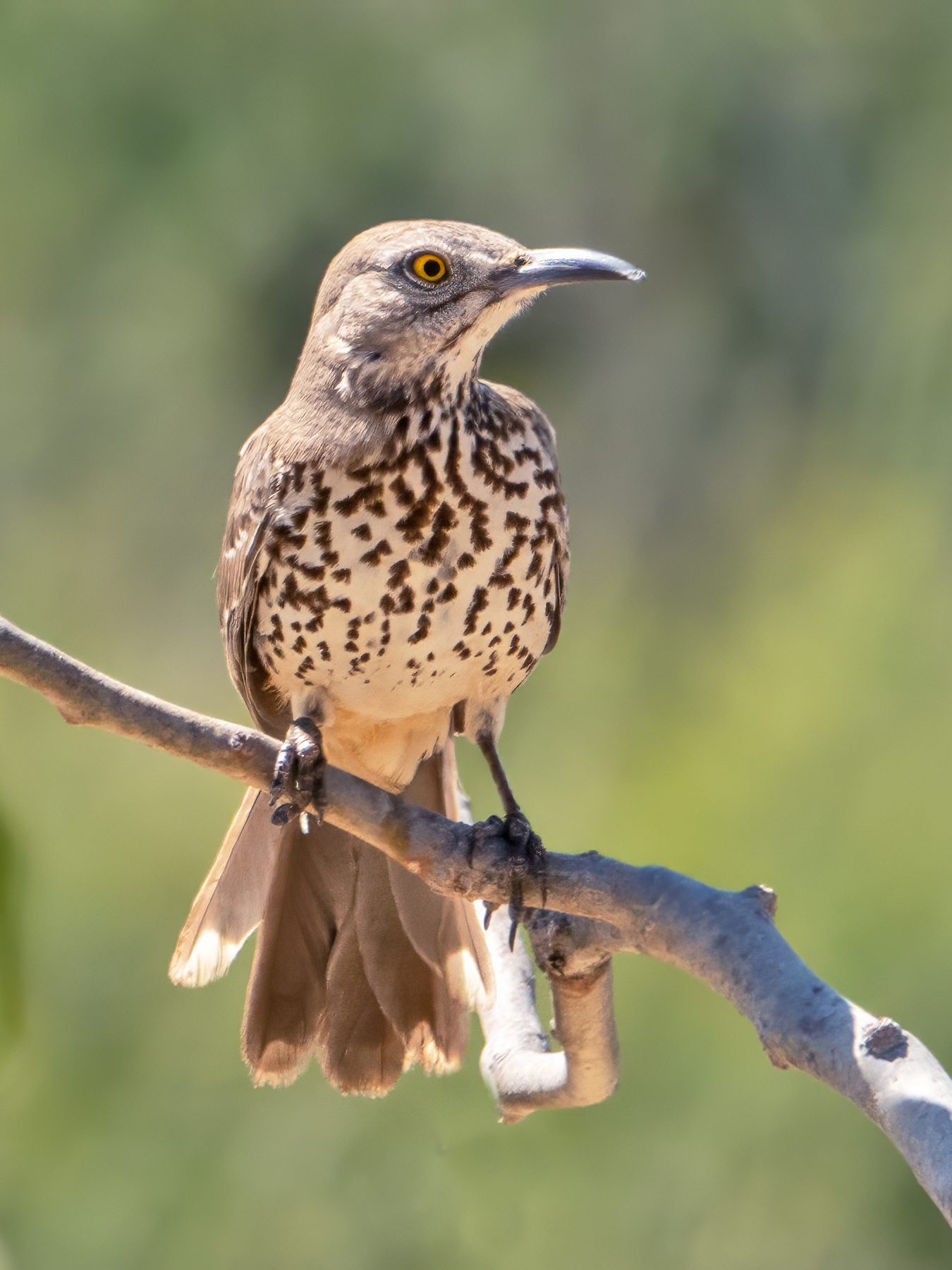
GRAY THRSHER-4-DSC07934 copy
Gray thrasher
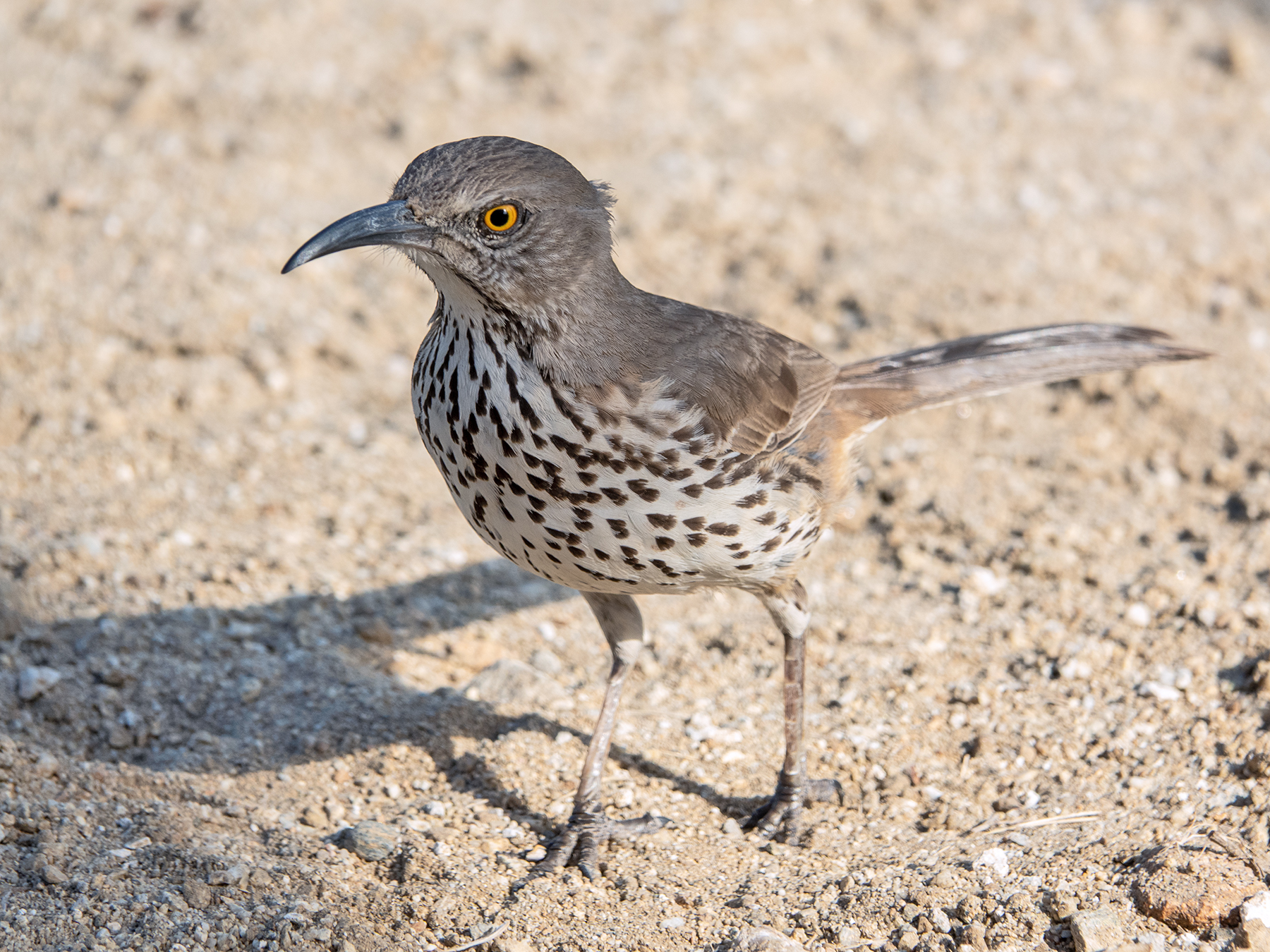
GRAY THRASHER-1-DSC09323 copy
Gray thrasher
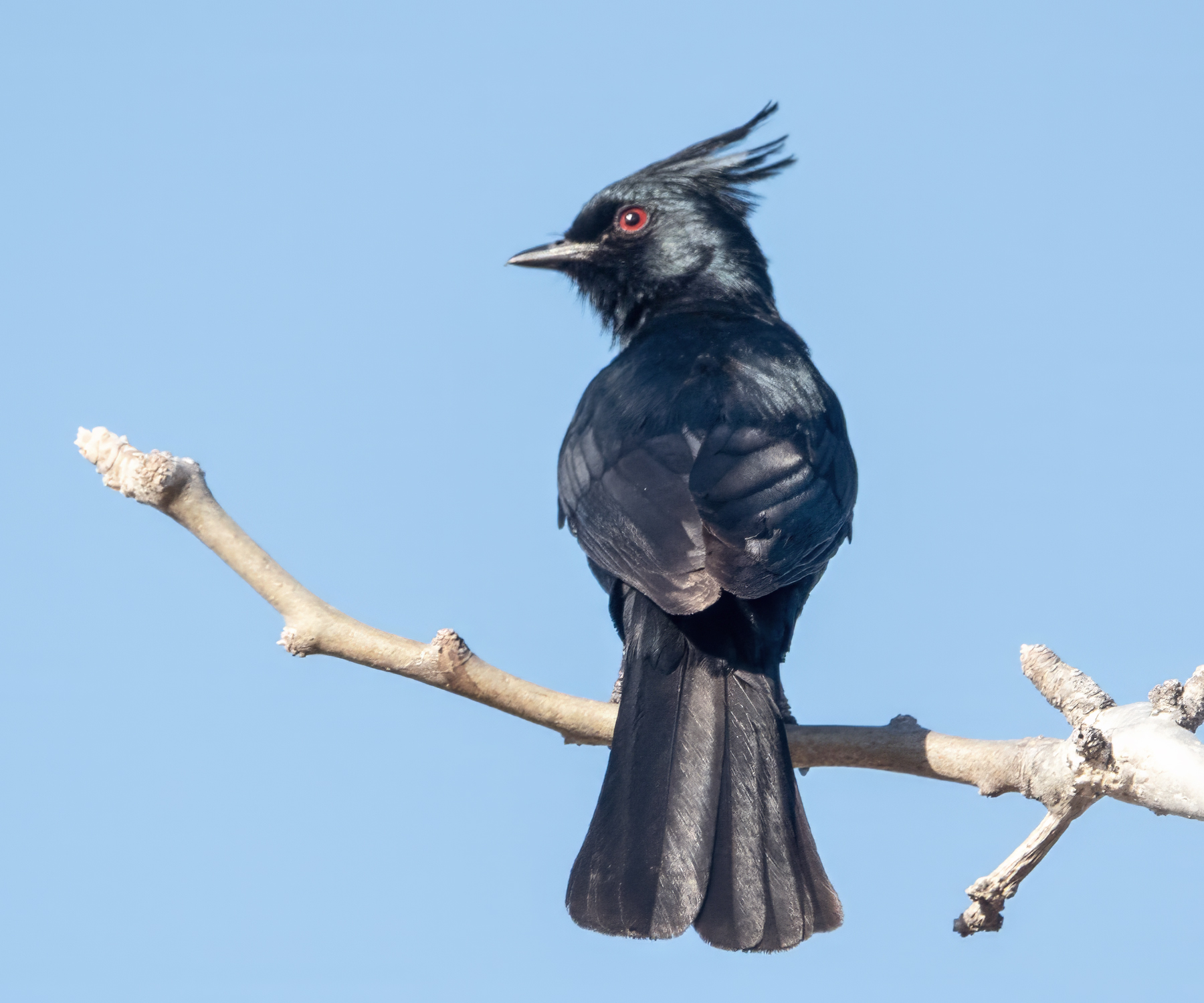
PHAINOPEPLA-2-DSC08677 copy
Male phainopepla
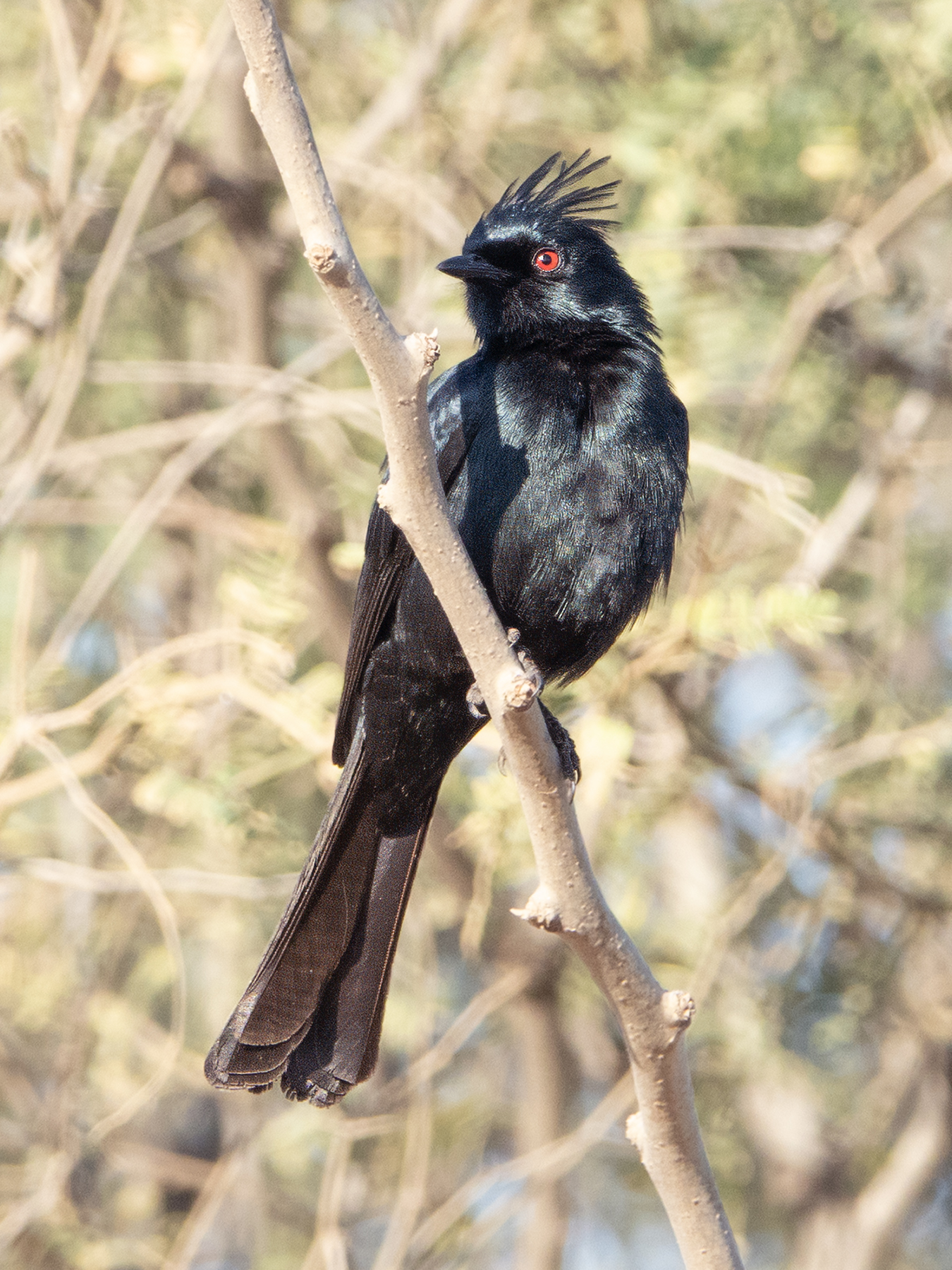
PHAINOPEPLA-4-DSC08967 copy
Male phainopepla
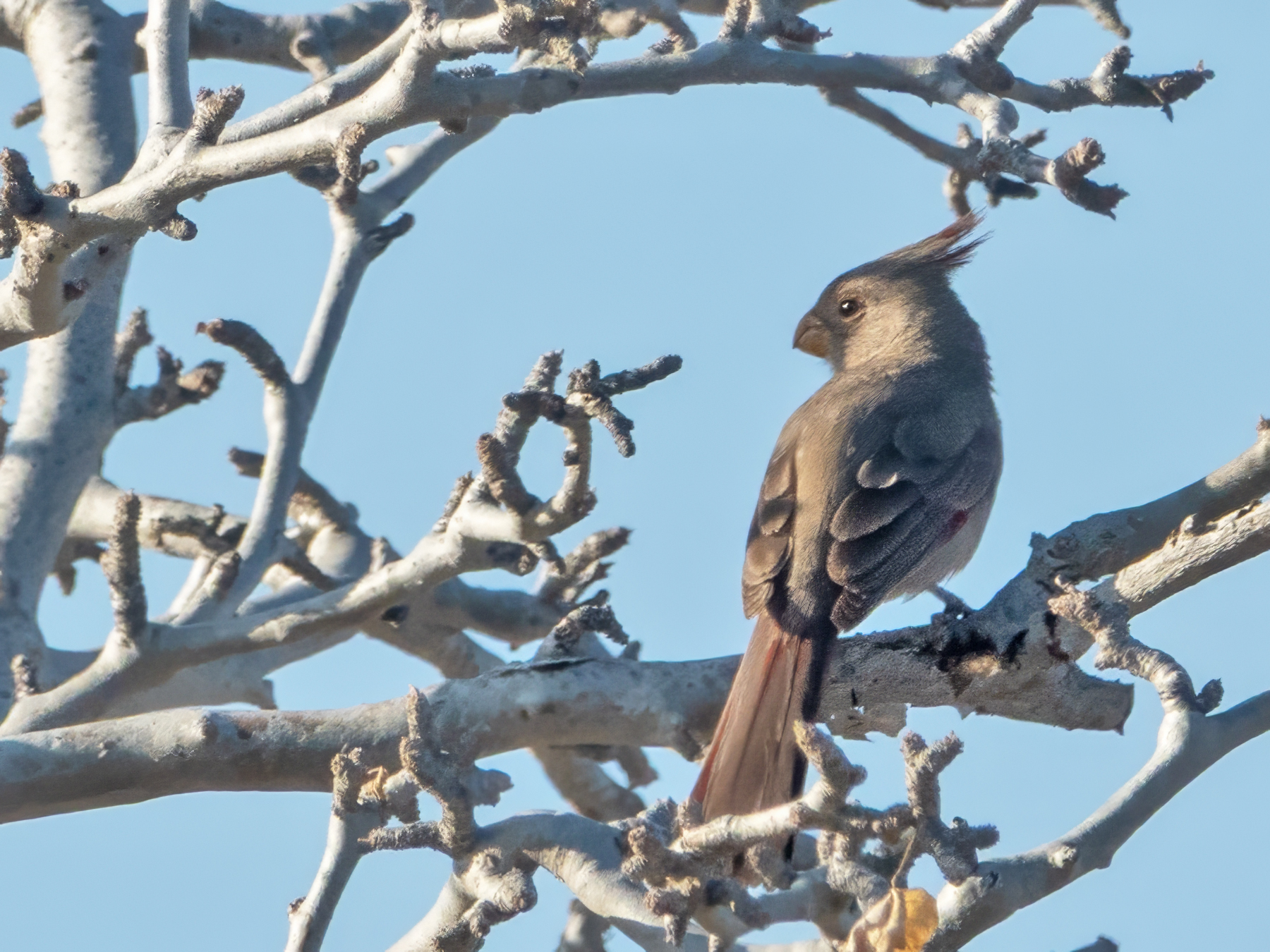
PYRRHULOXIA-1-DSC08646 copy
Female Pyrrhuloxia
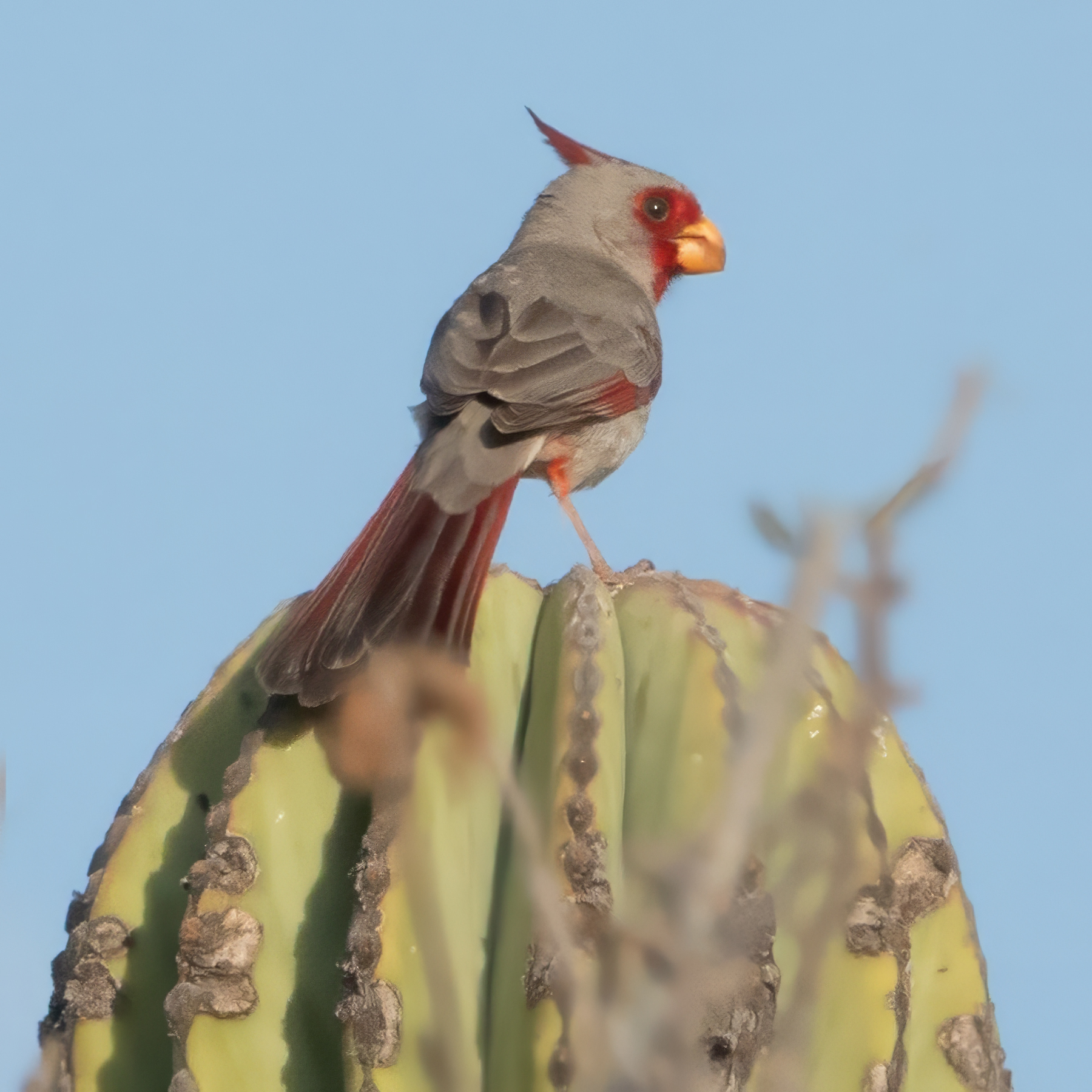
PYRRHULOXIA-2-DSC09920 copy
Male Pyrrhuloxia
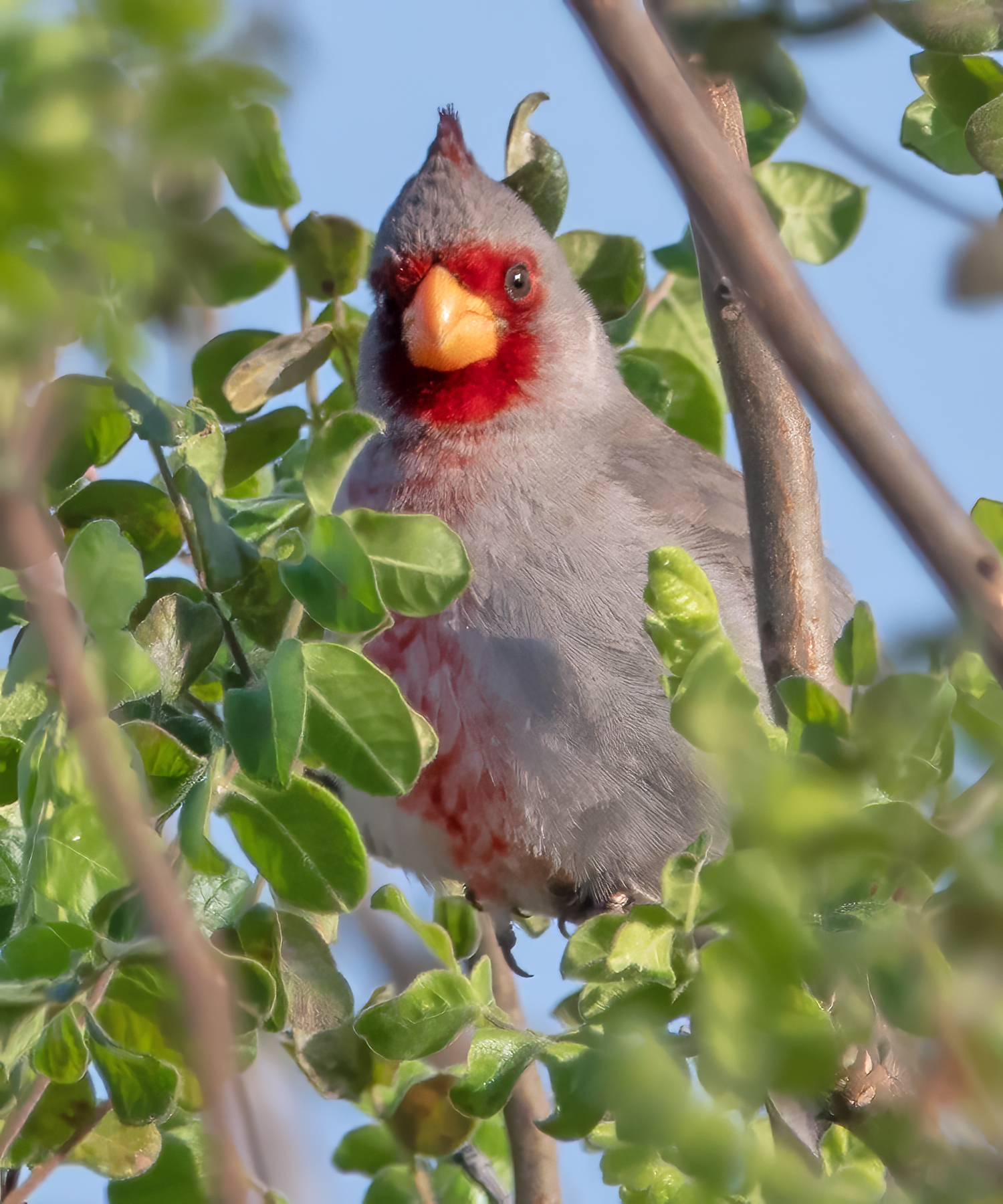
PYRRHULOXIA-1-DSC01942 copy
Male pyrrhuloxia
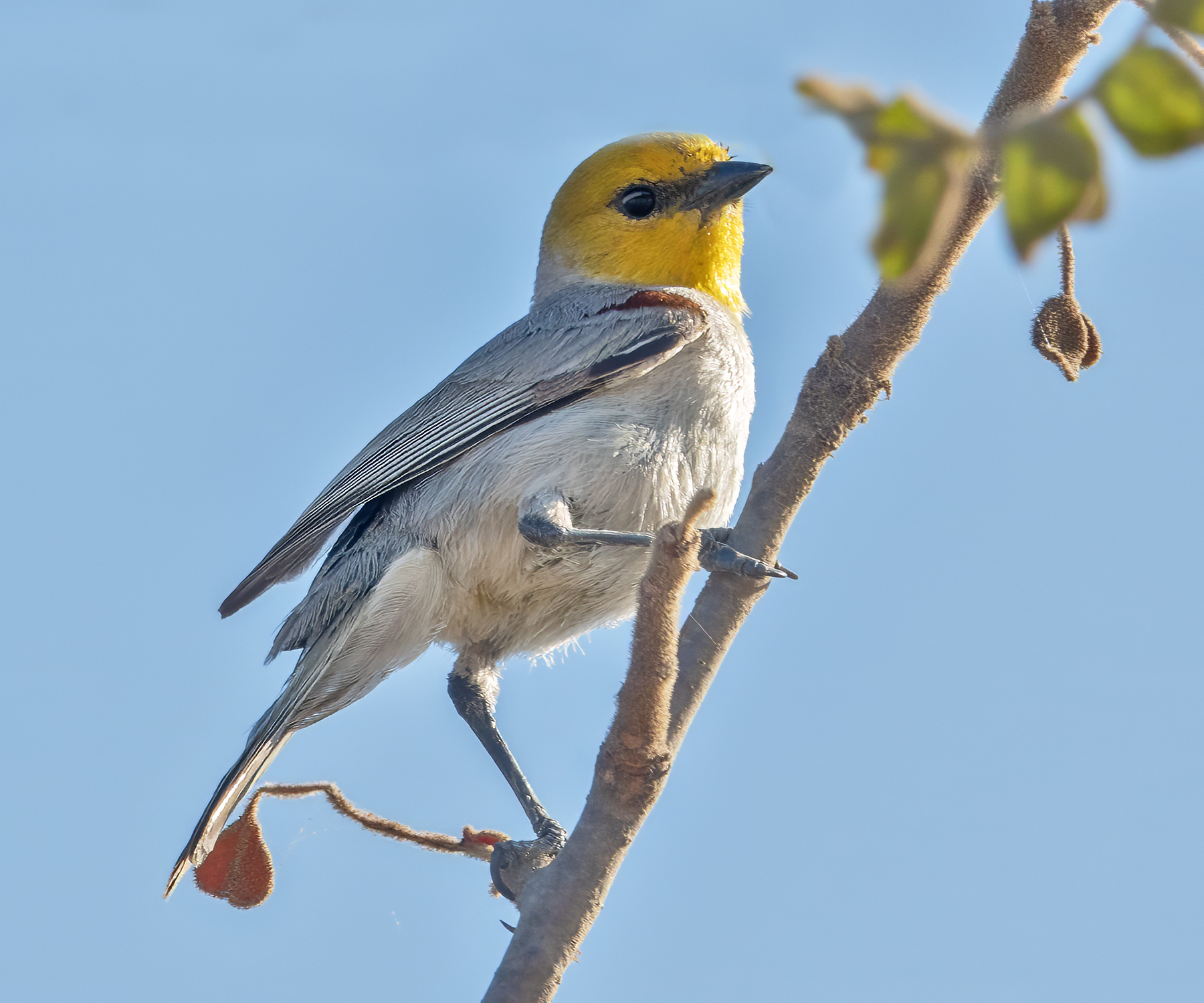
VERDIN-3-DSC08879 copy
Verdin
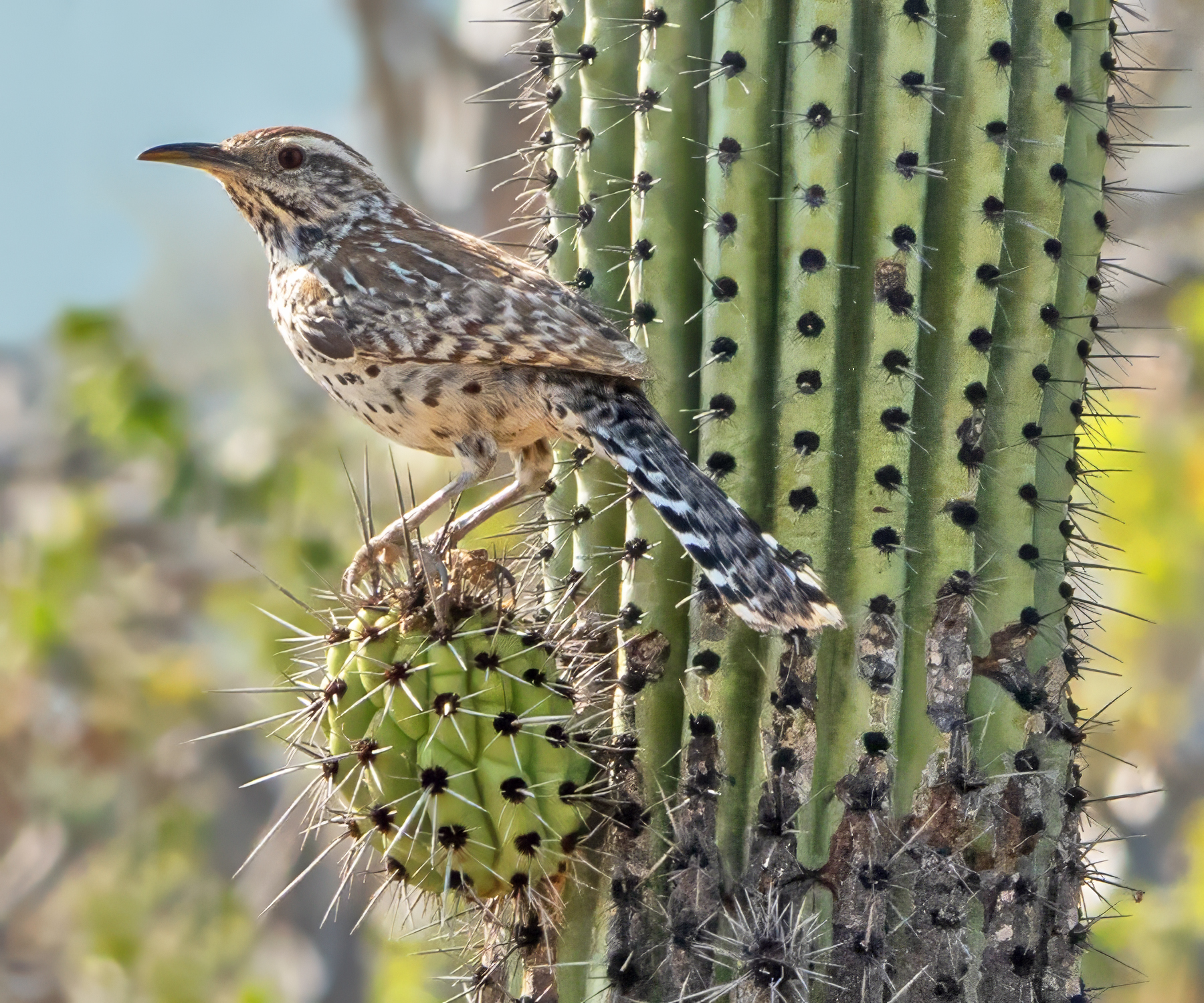
CACTUS WREN-1-DSC00339 copy
Cactus wren
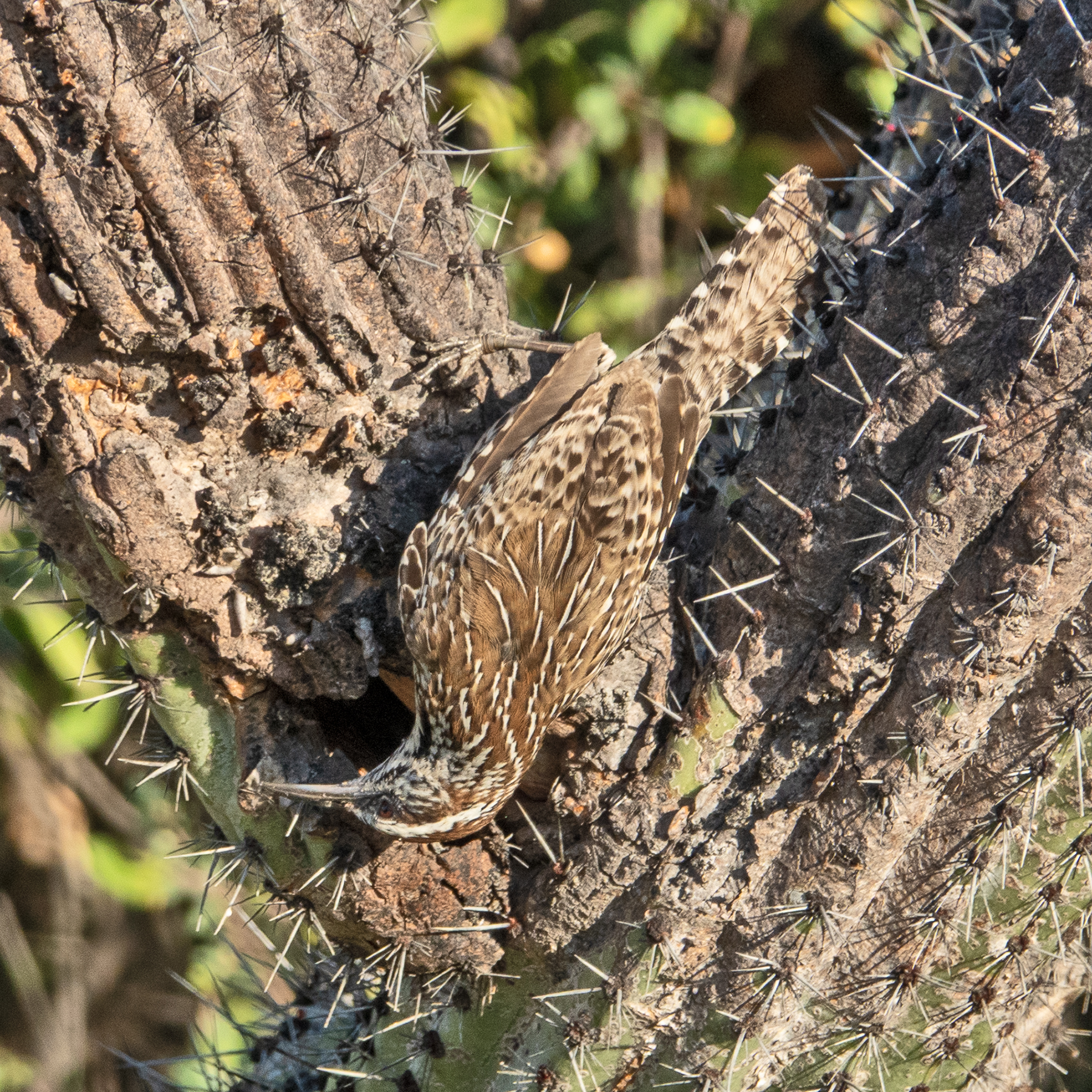
CACTUS WREN-2-DSC01854 copy
Cactus wren
CACTUS WREN-2-DSC08481 copy
Cactus wren
COMMON GROUND DOVE-1-DSC00092 copy
Common ground dove
HOODED ORIOLE-4-DSC01249 copy
Female hooded oriole
HOODED ORIOLE-1-DSC02338 copy
Male hooded oriole
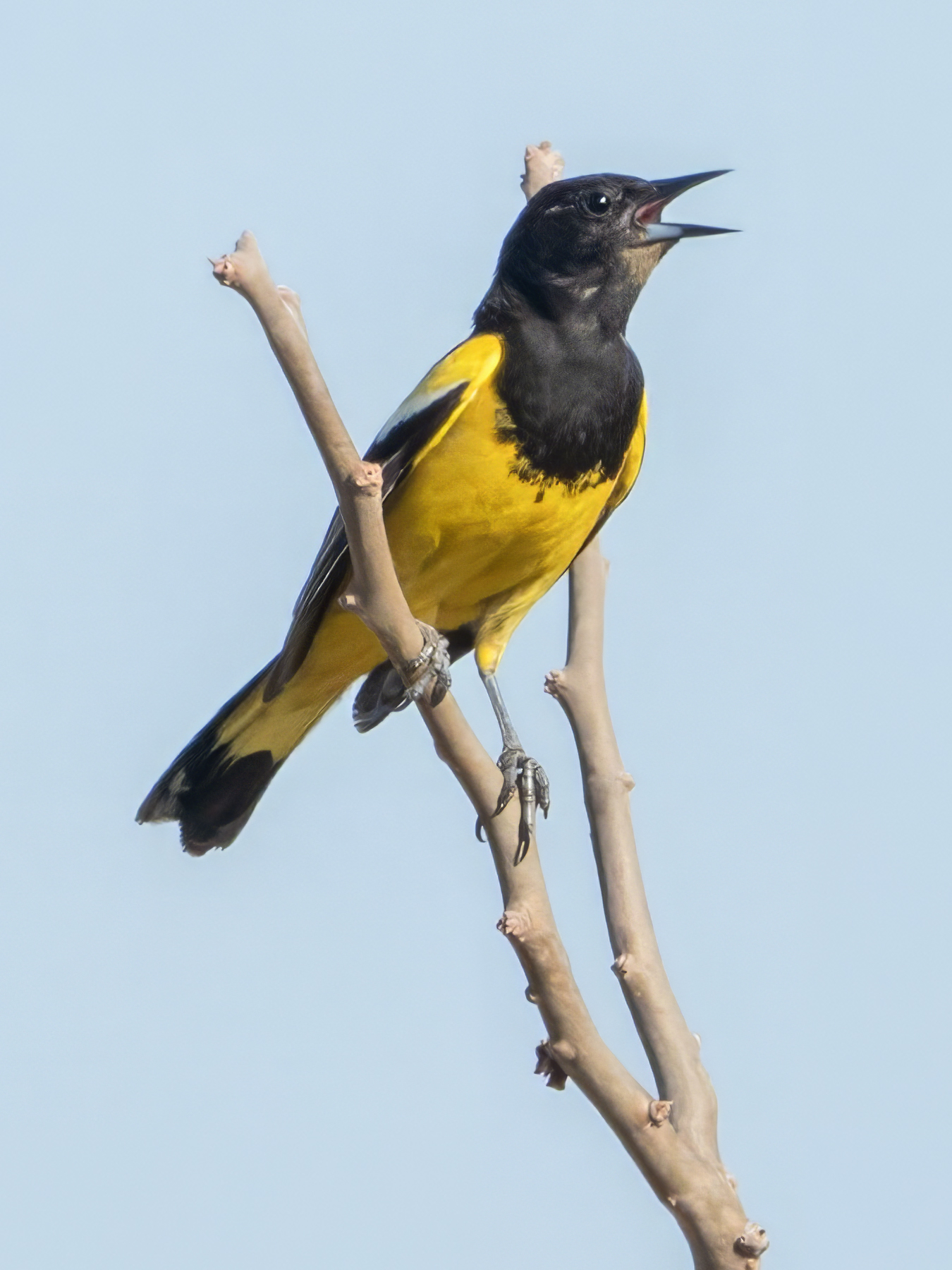
SCOTT’S ORIOLE-1-DSC01291 copy
Scott's oriole
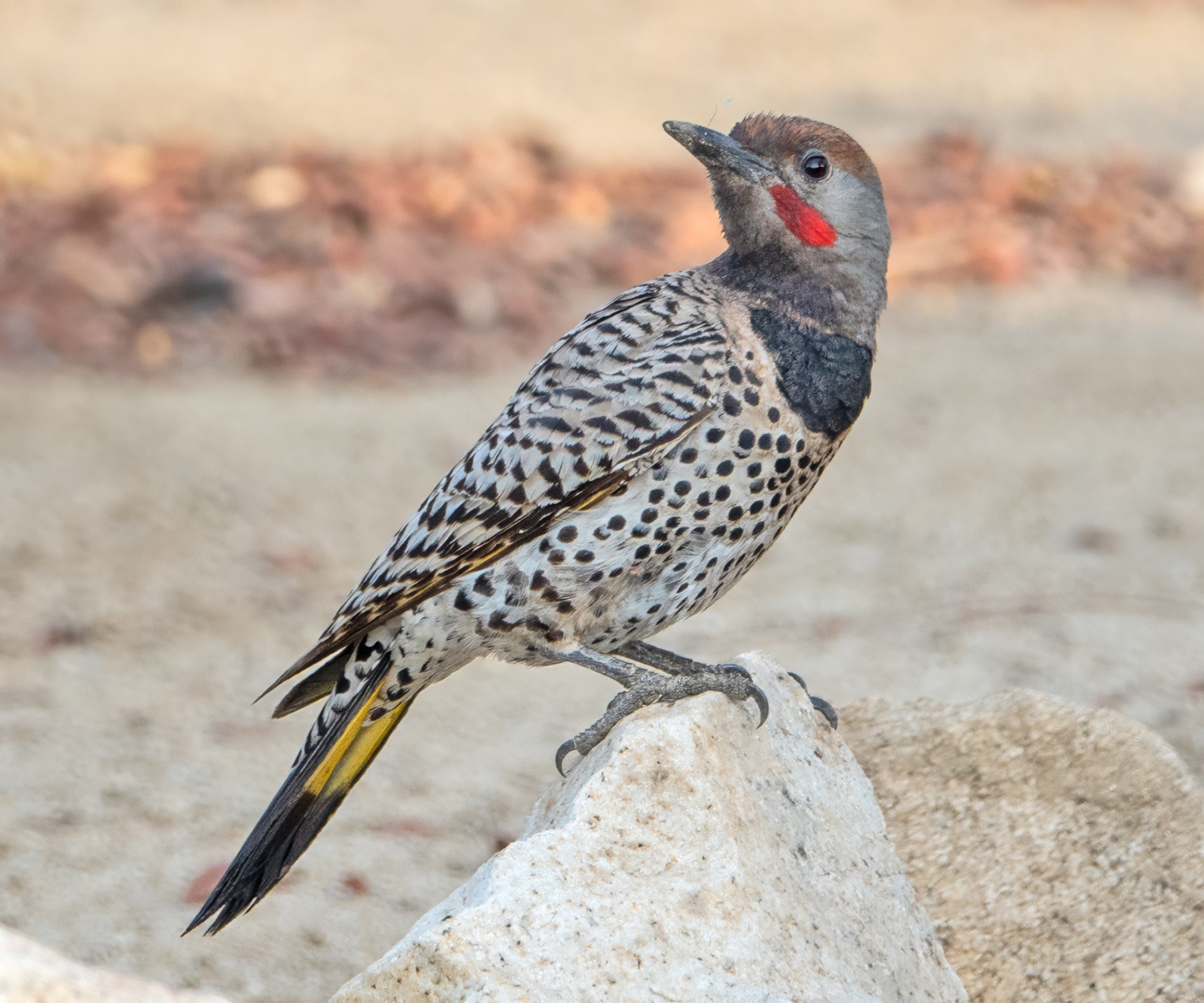
GILDED FLICKER-2-DSC00764 copy
Guilded flicker
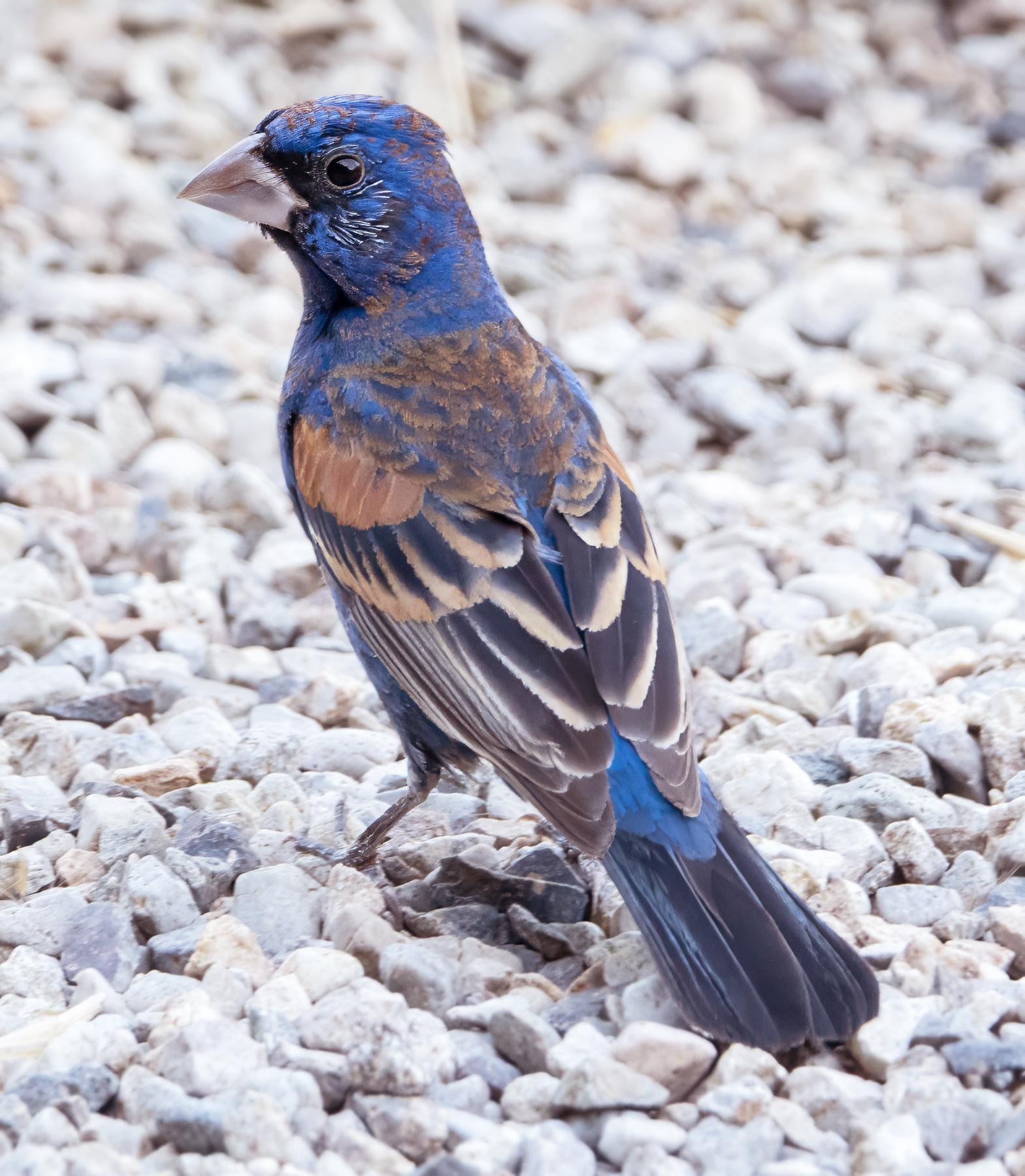
BLUE GROSBEAK-1-DSC02042 copy
Male blue grosbeak
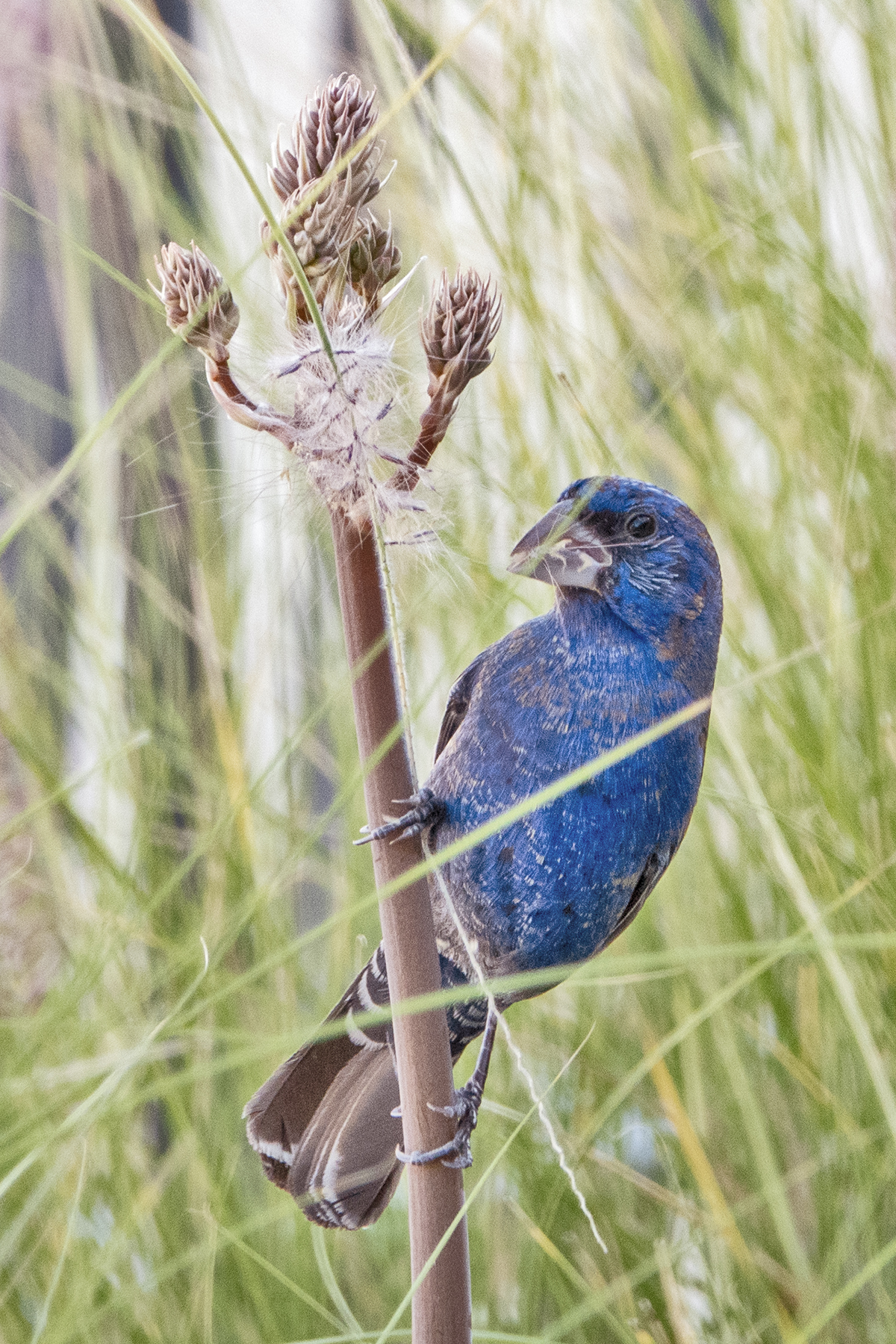
BLUE GROSBEAK-2-DSC02037 copy
Male blue grosbeak
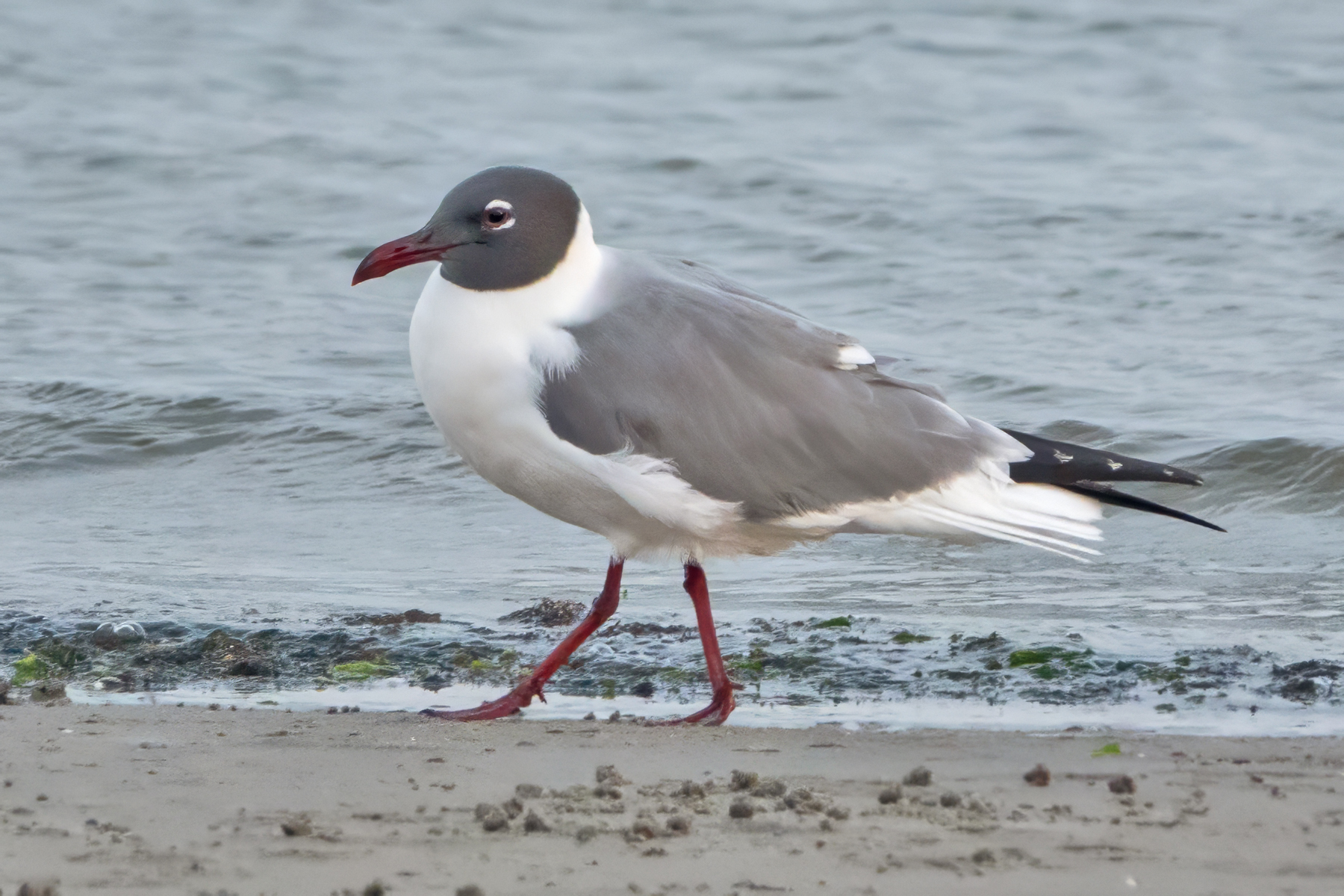
LAUGHING GULL-1-DSC04910 copy
Laughing gull
Carla
I am so happy to see these bird pix from your trip. I wonder how many are from our garden. Amazing, beautiful pictures. You capture their beauty and personalities or what I imagine are personalities.
Lucy
Oh Carla! Each photo is a portrait of contact; each bird is seeing you, through its own tiny lens. How marvelous to meet these individuals in their wild environment, each with their own mood and attitude, willing to be met in that moment, by your “quiet, steady unfolding of attention and the simple joy of being there to witness.” It’s such a pleasure to receive this email and join you in the witnessing. Thank you so much!
Such amazing pictures! Such detail! Such a pleasure to see!
Thank you!