

FINDING REFUGE
Sacramento National Wildlife Refuge, California
January 2026
I came to see the sandhill cranes.
For many years, I’ve traveled once or twice each winter to Merced National Wildlife Refuge to witness the immense flocks of cranes that gather there before flying north to breed in summer—ancient birds whose rattling calls seem to echo across time. Now, living in Arcata, Merced lies seven hours away, too far for a short trip. Missing that pilgrimage felt like missing a long-anticipated reunion with beloved friends.
Searching online for closer possibilities, I learned that the nearest refuge where sandhill cranes might be found was Sacramento National Wildlife Refuge (SNWR), near Willows, California—south and east of Arcata, still a long trek at four hours.
Cutting to the chase: I did not see a single sandhill crane.
What I did find, however, was abundance. Birds of many kinds—and the occasional non-avian presence—were flourishing. Tule fog was abundant as well, thick and persistent, softening the edges of the world each morning, muting light and colors. A unique Central Valley phenomenon, Tule fog settles into the lowlands in winter, sometimes stretching four hundred miles from north to south, turning the valley into a vast, breathing cloud.
Wrapped in fog, the refuge felt hushed and secluded. The pale air created a sense of profound calm—a welcome refuge from the grief, violence, and uncertainty unfolding across our country. Within the sanctuary, I felt transported into another world, one governed not by devices and rupture but by beauty, rhythm, and a ancient web of relationships.
As at Merced, the primary way to experience the refuge is via a one-way driving loop. The car becomes a mobile blind, a metal cocoon from which we observe the lives unfolding beyond the glass. There are only three small pullouts where one may “park and stretch”; otherwise, stepping out of the vehicle is forbidden. Humans move through the landscape caged, while the marsh’s true residents roam freely.
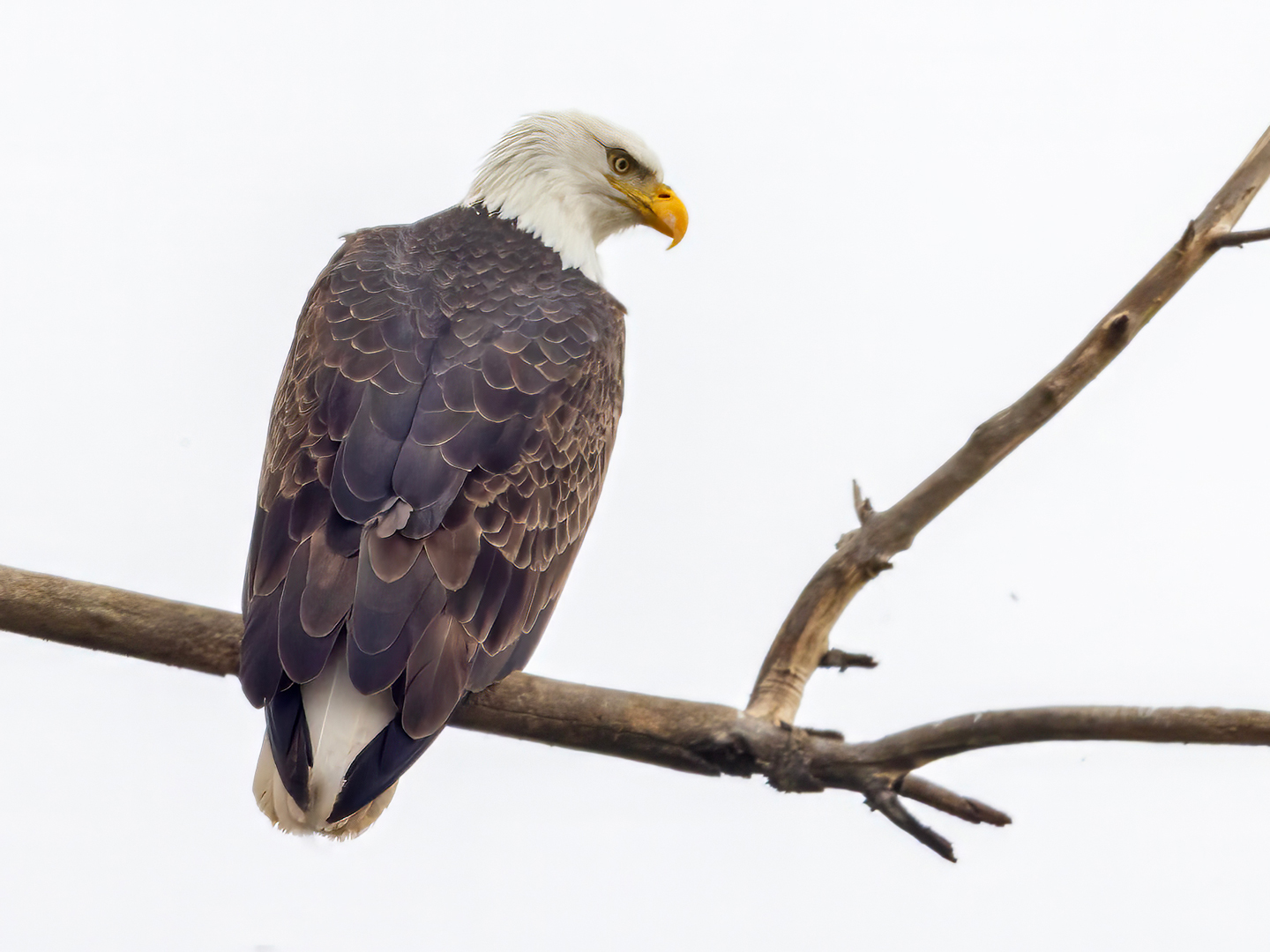
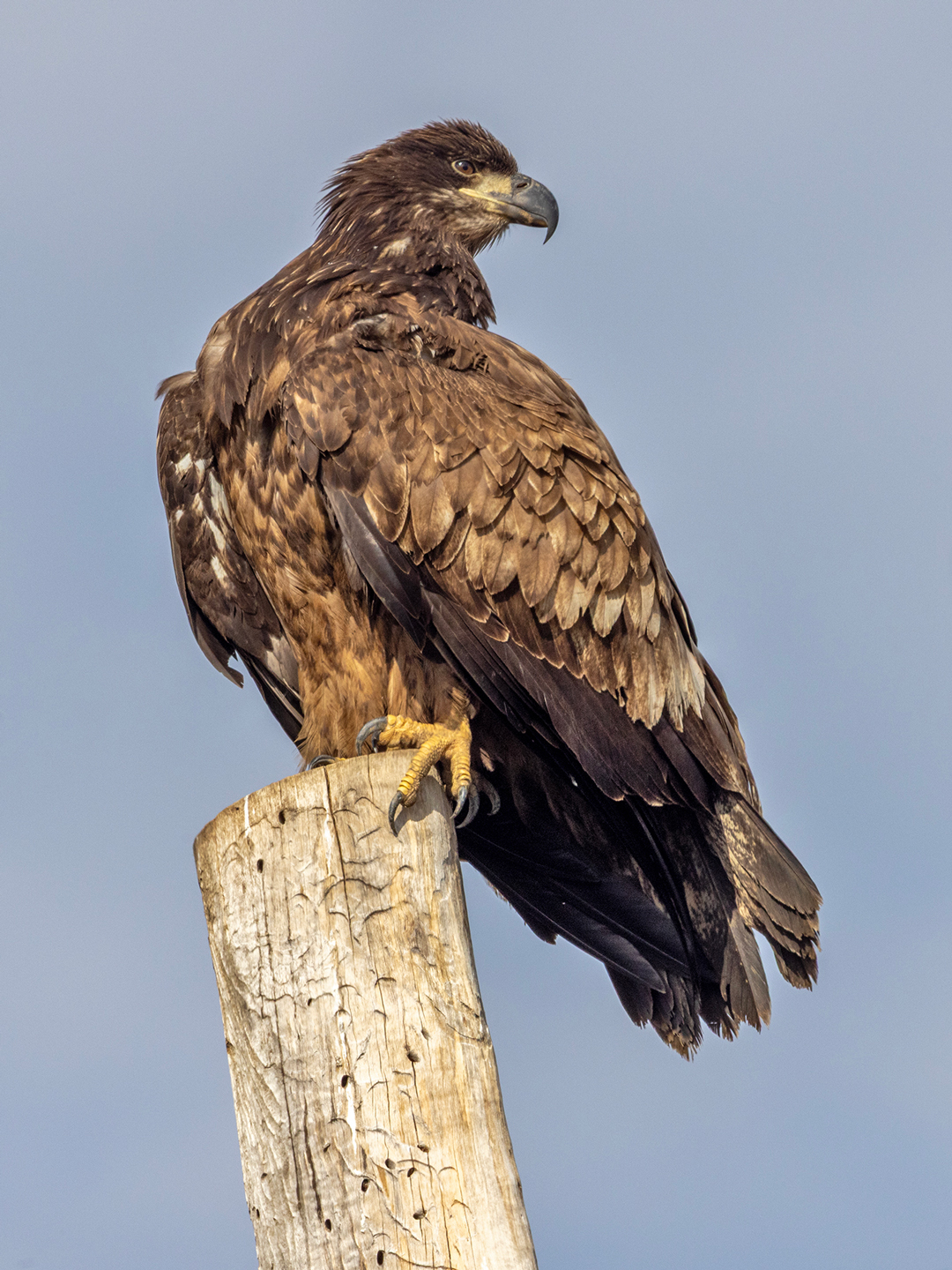
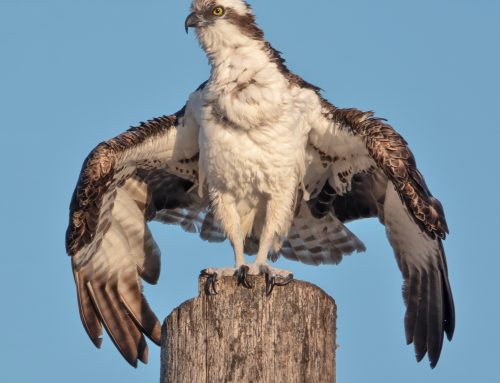
Bare winter trees lined the road, offering perfect perches for raptors surveying the land below for prey. Red-tailed hawks, red-shouldered hawks, American kestrels, merlins, turkey vultures, and both adult and juvenile bald eagles were all present. Northern harriers skimmed low over the marsh, flying with their characteristic buoyant grace, as if floating along invisible winds.
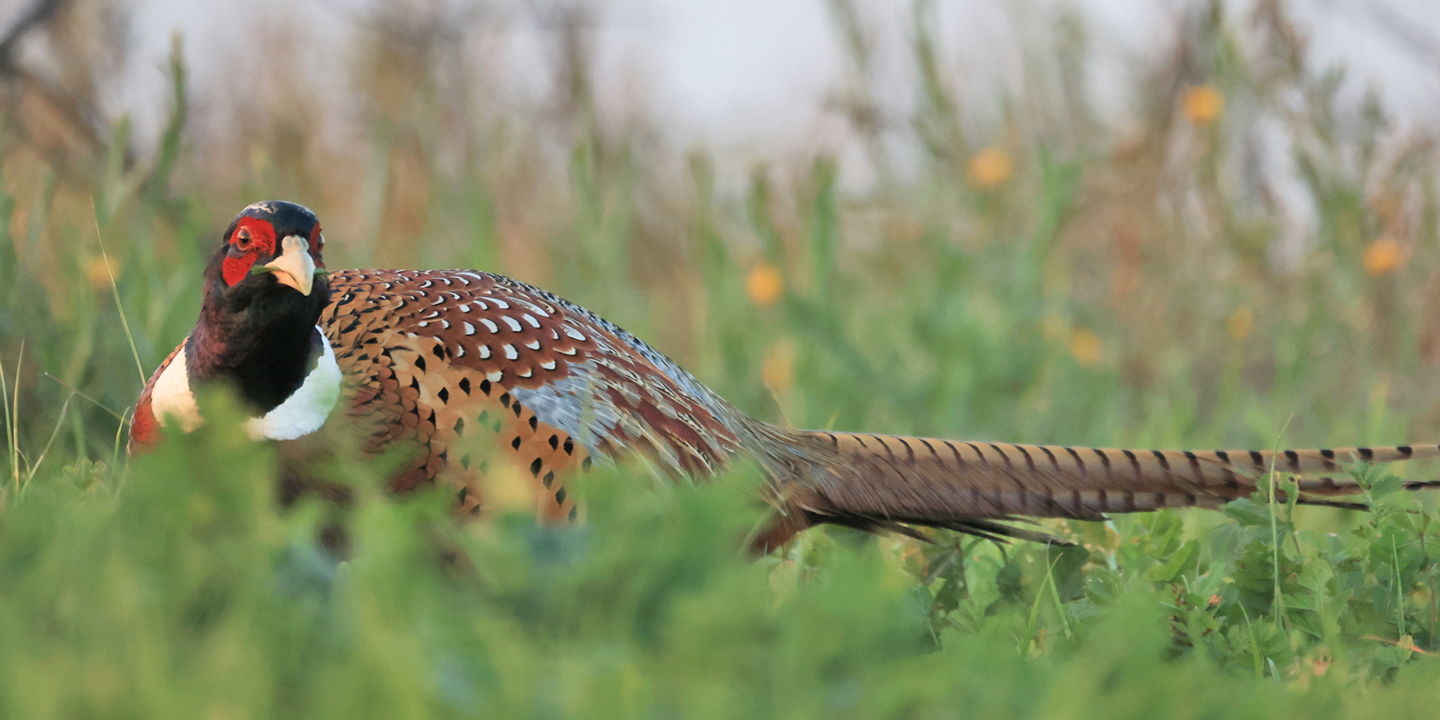
Although I didn’t encounter any “lifers,” I was delighted to see several species I encounter less often: white-faced ibis, American white pelicans, common gallinules, blue-winged teals, ring-necked ducks, loggerhead shrikes, a ring-necked pheasant and a well-camouflaged Wilson’s snipe.
And then there were the geese.
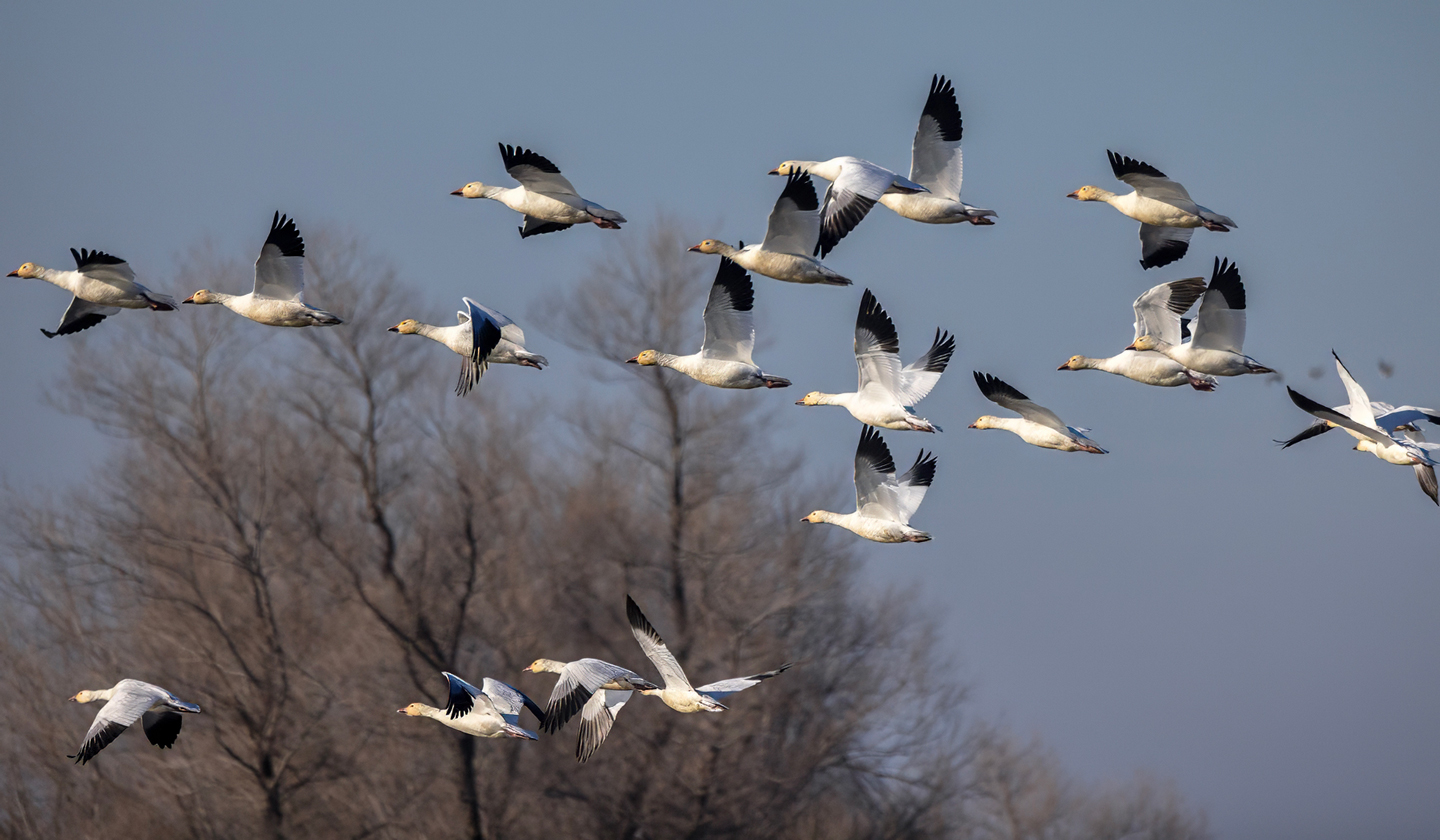
Thousands upon thousands of them—primarily snow geese, with substantial numbers of greater white-fronted geese intermingled among them and an occasional Canada goose. I had the pleasure of observing several snow goose color morphs, especially the striking “blue goose,” whose dark gray-brown body contrasts sharply with a white head, as though it had been dipped in chocolate. Many snow geese also wore rusty orange stains on their heads and bellies, tinted by iron-rich water and soil where they forage.
When vast flocks of geese suddenly lift off, the air fills with the thunder of wings and a rising chorus of exhilarating calls. It feels as though the sky itself has come alive and is shouting its joy. Something ancient stirs—an ancestral memory of a time when birds filled the heavens so densely they dimmed the light.
For Indigenous peoples, before colonization, the Central Valley must have been an endlessly rich and sustaining landscape. Since then, more than ninety percent of its wetlands have been drained and reshaped for agriculture, industry, and development.
Still, within what remains, life persists—calling, flying, swimming, feeding, gathering. For a few days, I was held by a landscape that still knows how to shelter all life—and those who come quietly to witness it.
Please leave a comment so I know you were here.
If you are interested in photo prints, contact me at: brennan.carla@gmail.com. Or leave a message in the comments section below.
BALD-EAGLE-3-333A5853-WEB
Bald Eagle
BALD-EAGLE-6-333A6252-WEB
Juvenile bald eagle
BIRDS-IN-FLIGHT-5-333A8002-WEB
Snow geese
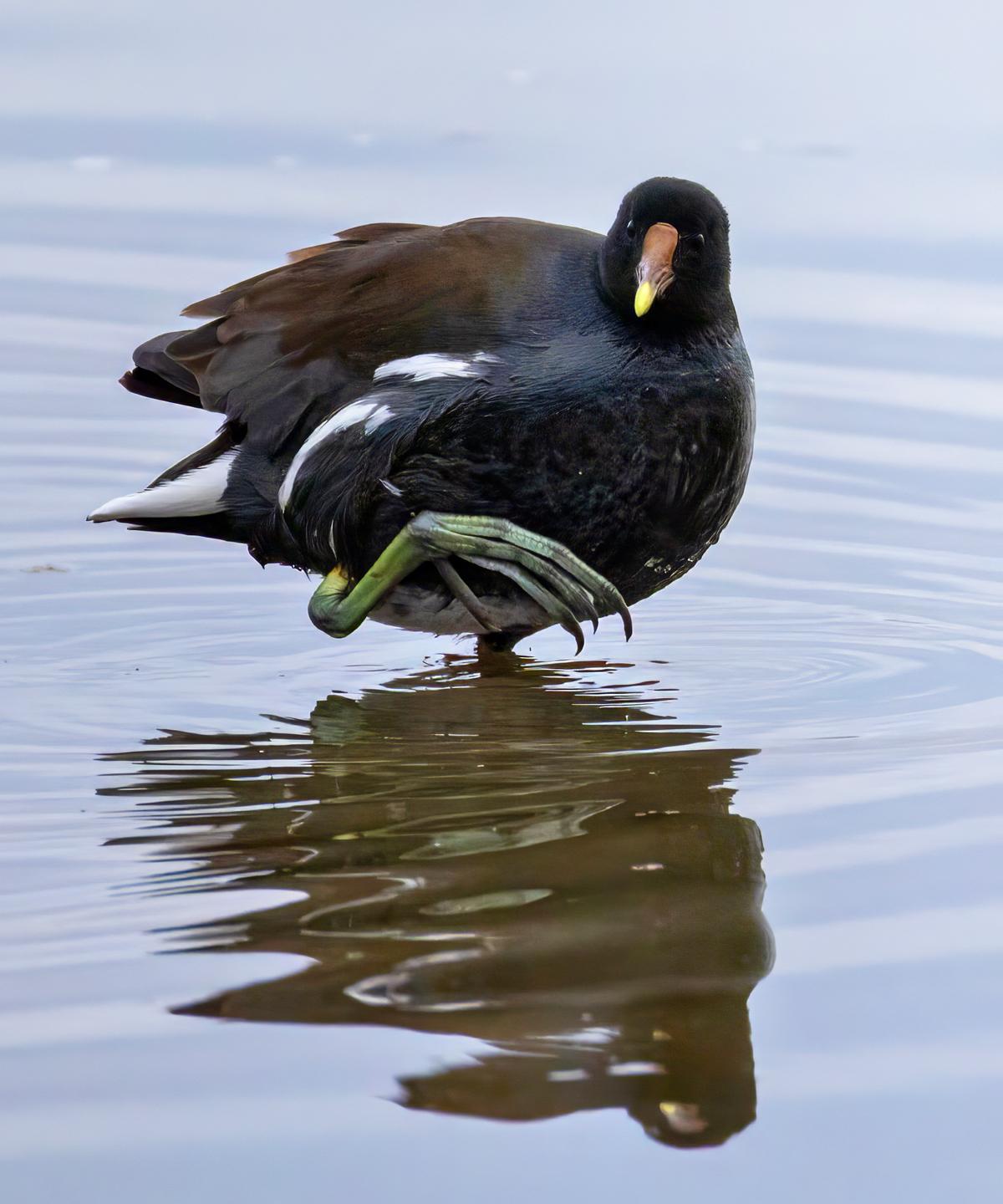
COMMON-GALLINULE-1-333A7071-WEB
Common gallinule
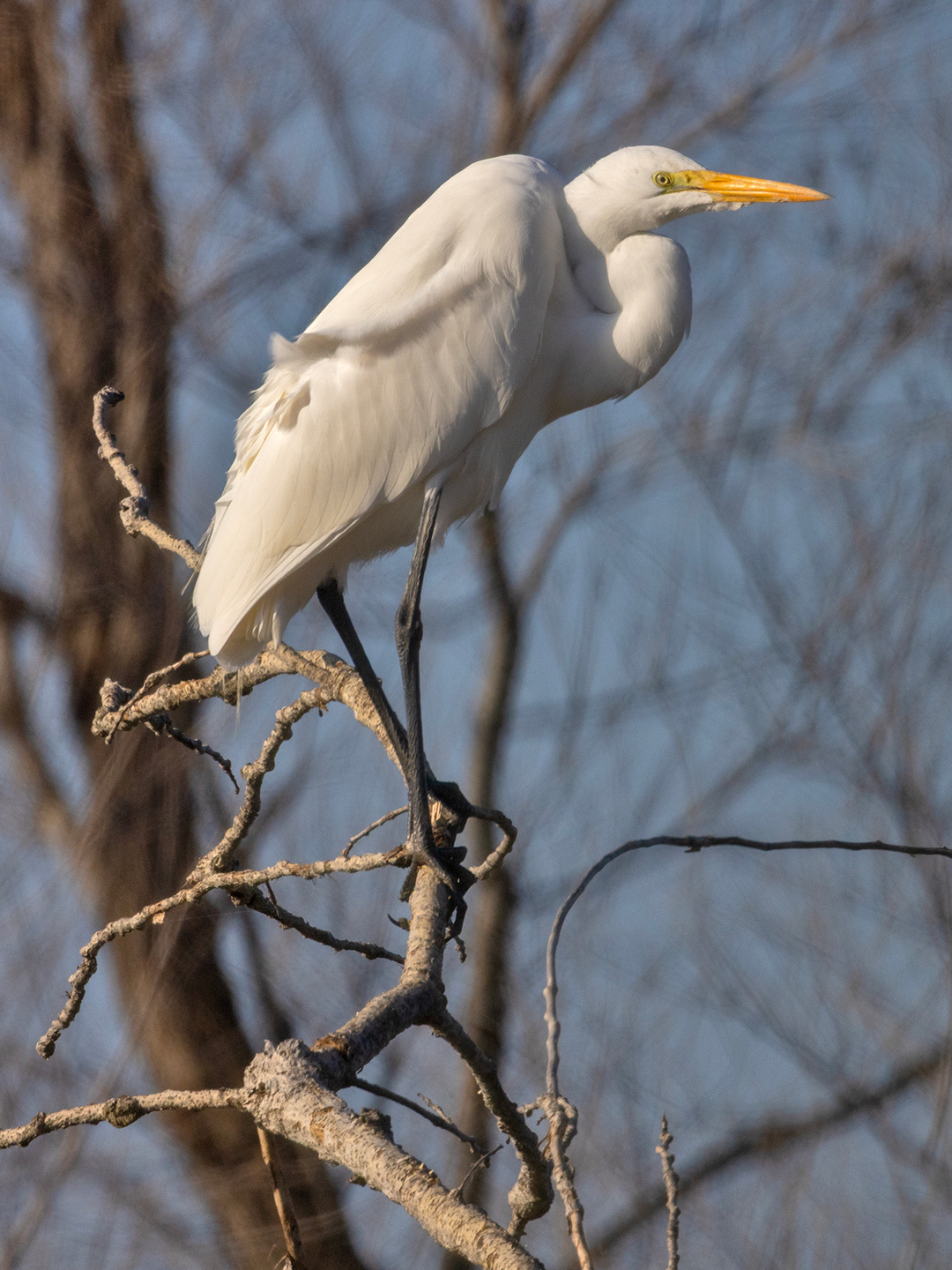
GREAT-EGRET-1-333A8710-WEB
Great egret
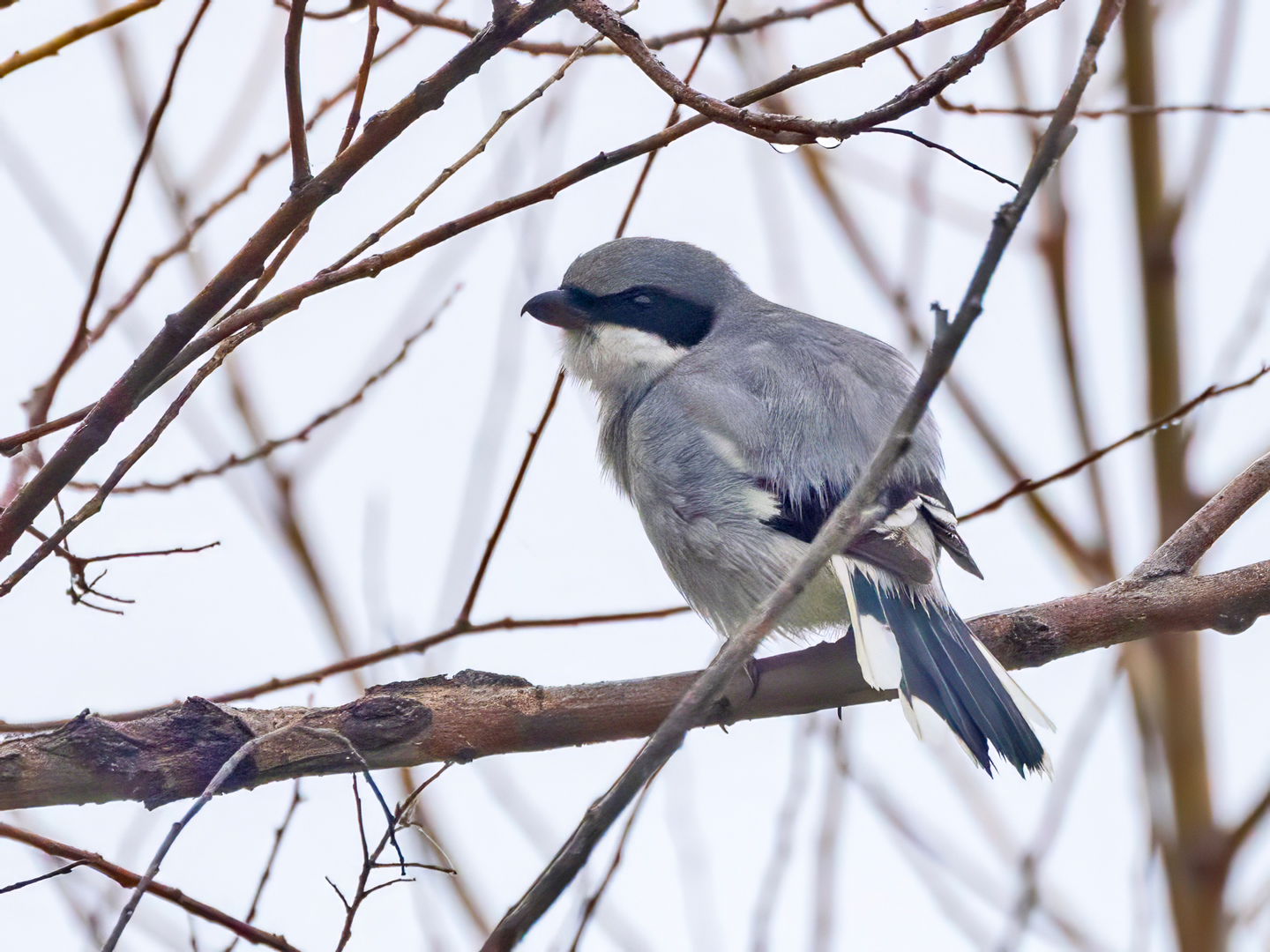
LOGGERHEAD-SHRIKE-1-333A9556-WEB
Loggerhead shrike
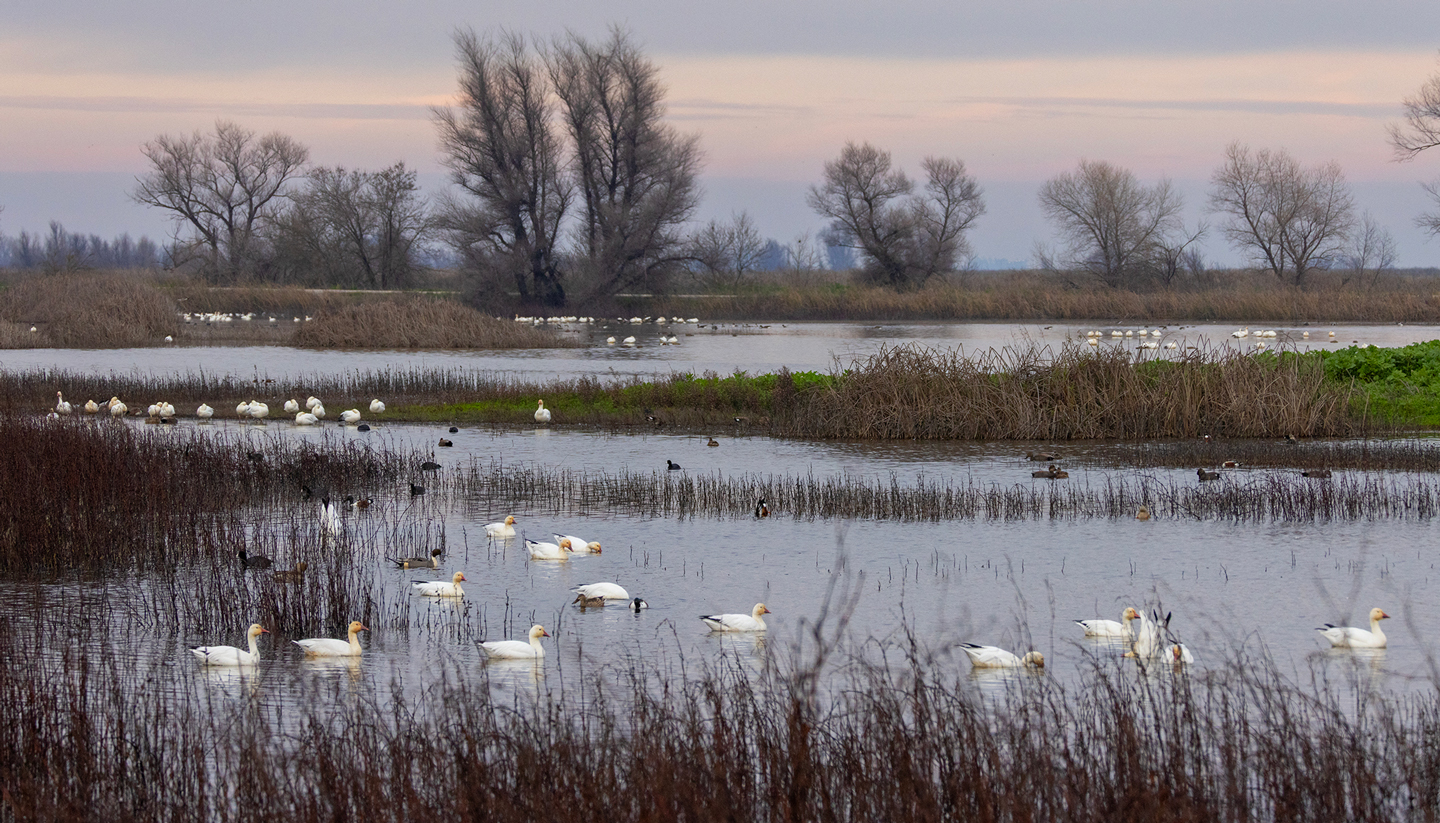
MARSH-2-333A6599-WEB
The marsh nearing dusk
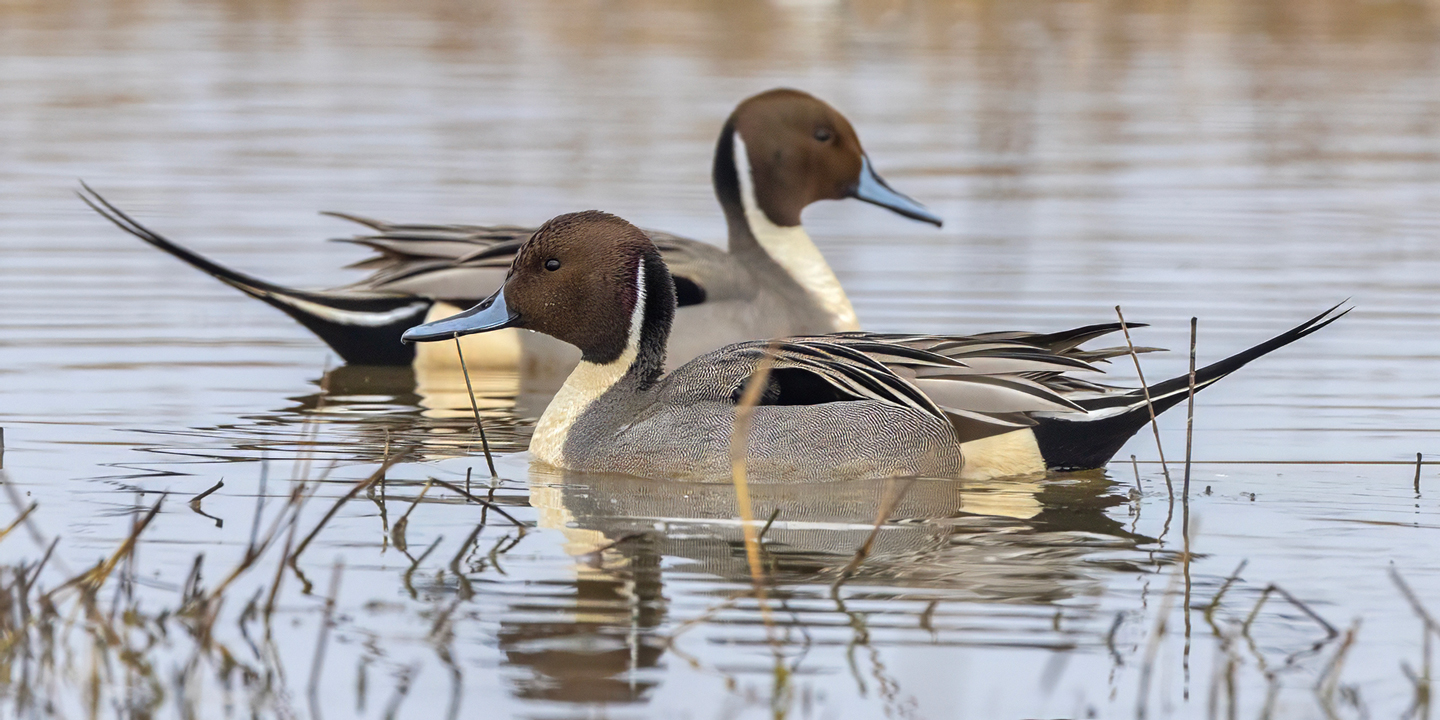
NORTHERN-PINTAIL-2-333A4729-WEB
Male northern pintails
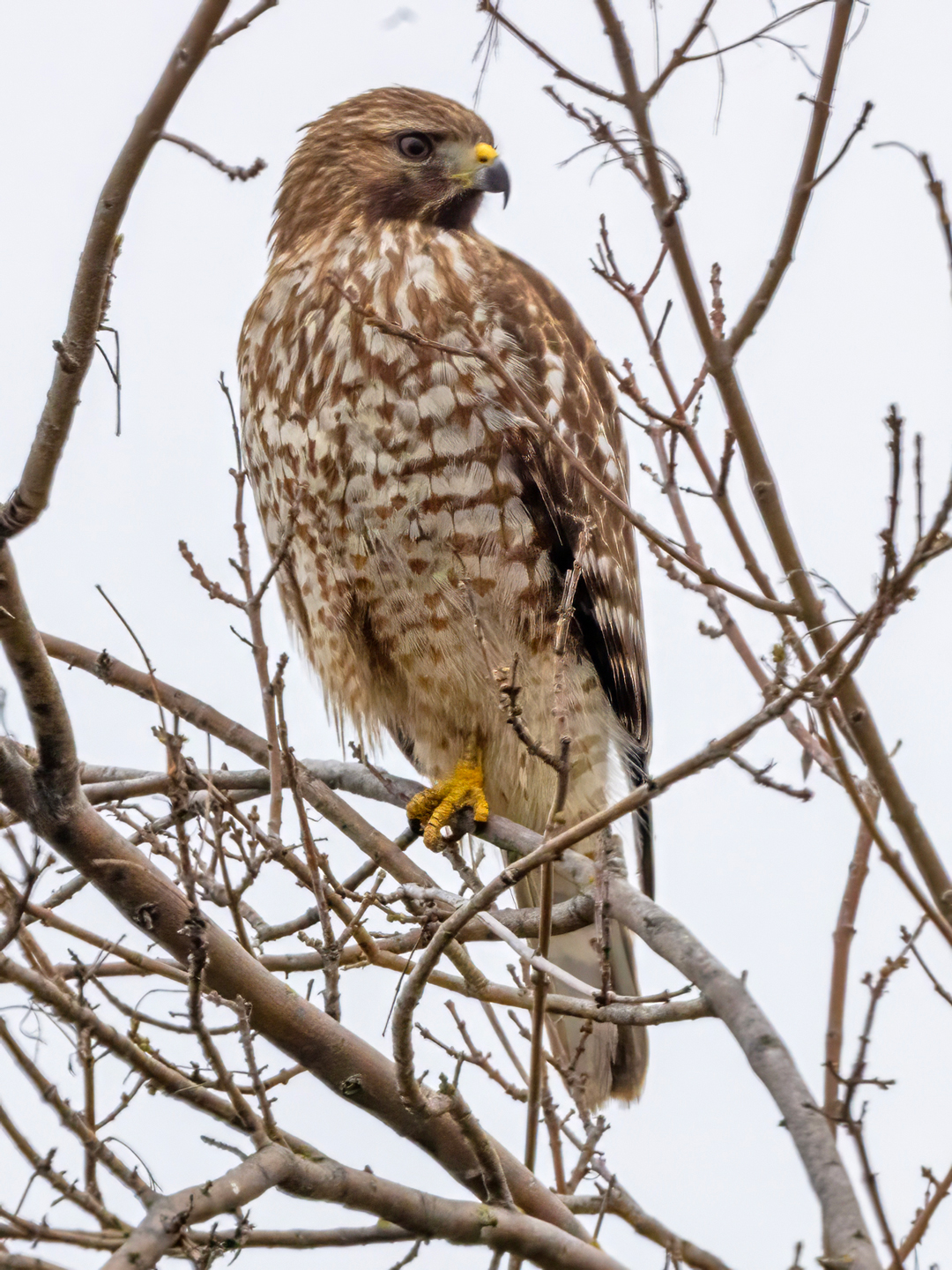
RED-SHOULDERED-HAWK-1-333A5753-WEB
Juvenile red-shouldered hawk
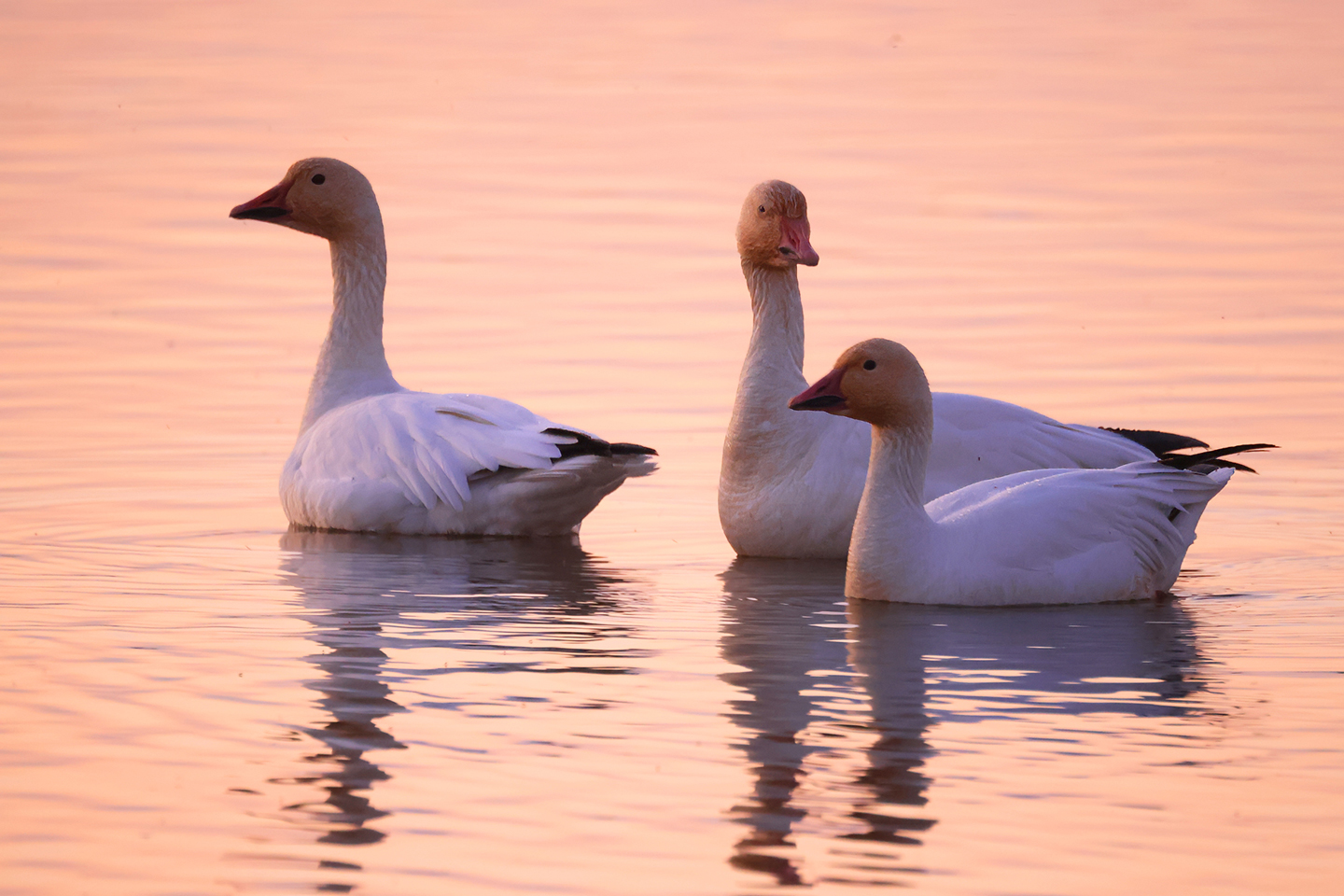
SNOW-GEESE-1-333A9515-WEB
Snow geese at sunset
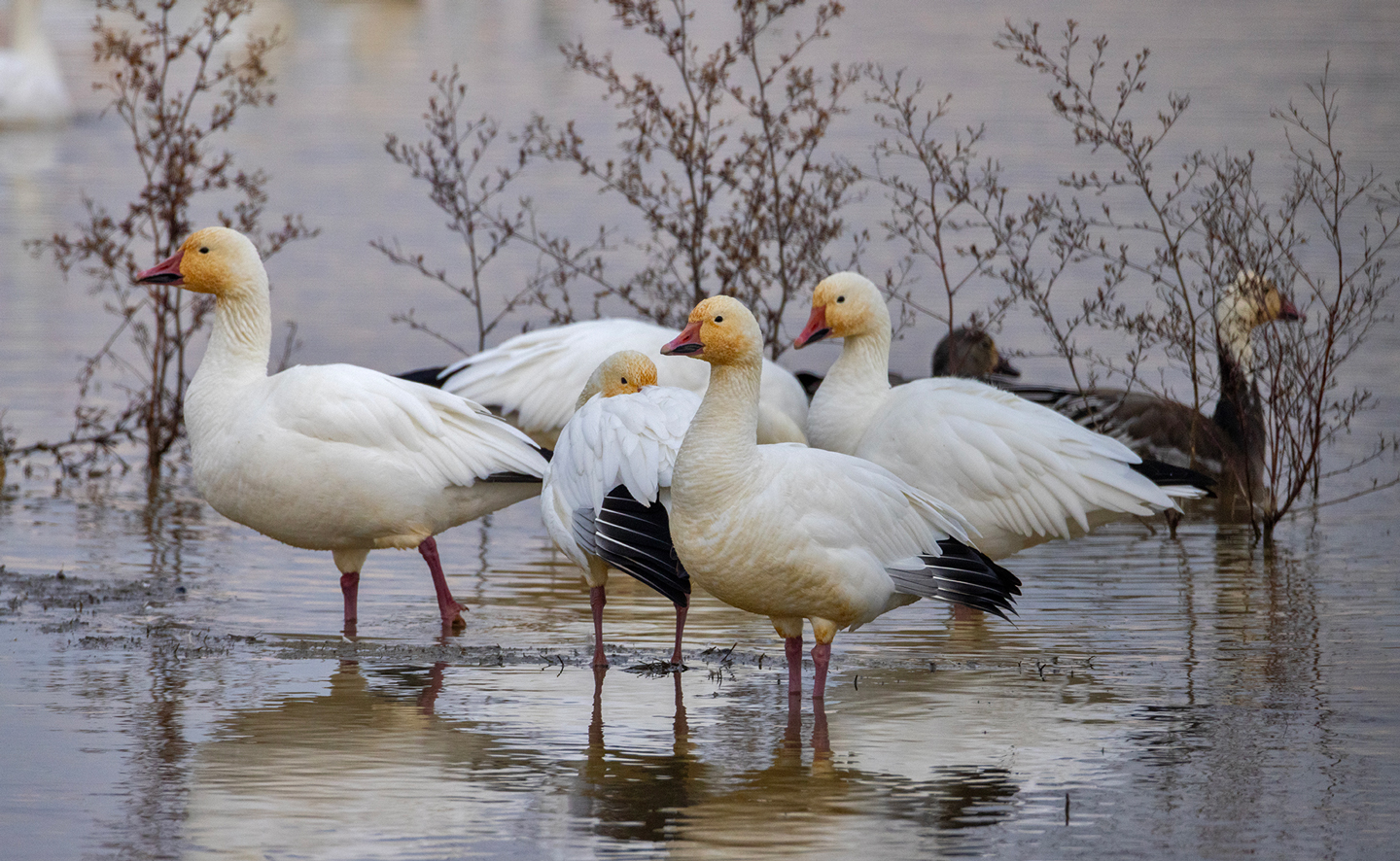
SNOW-GEESE-10-333A6765-WEB
Snow geese
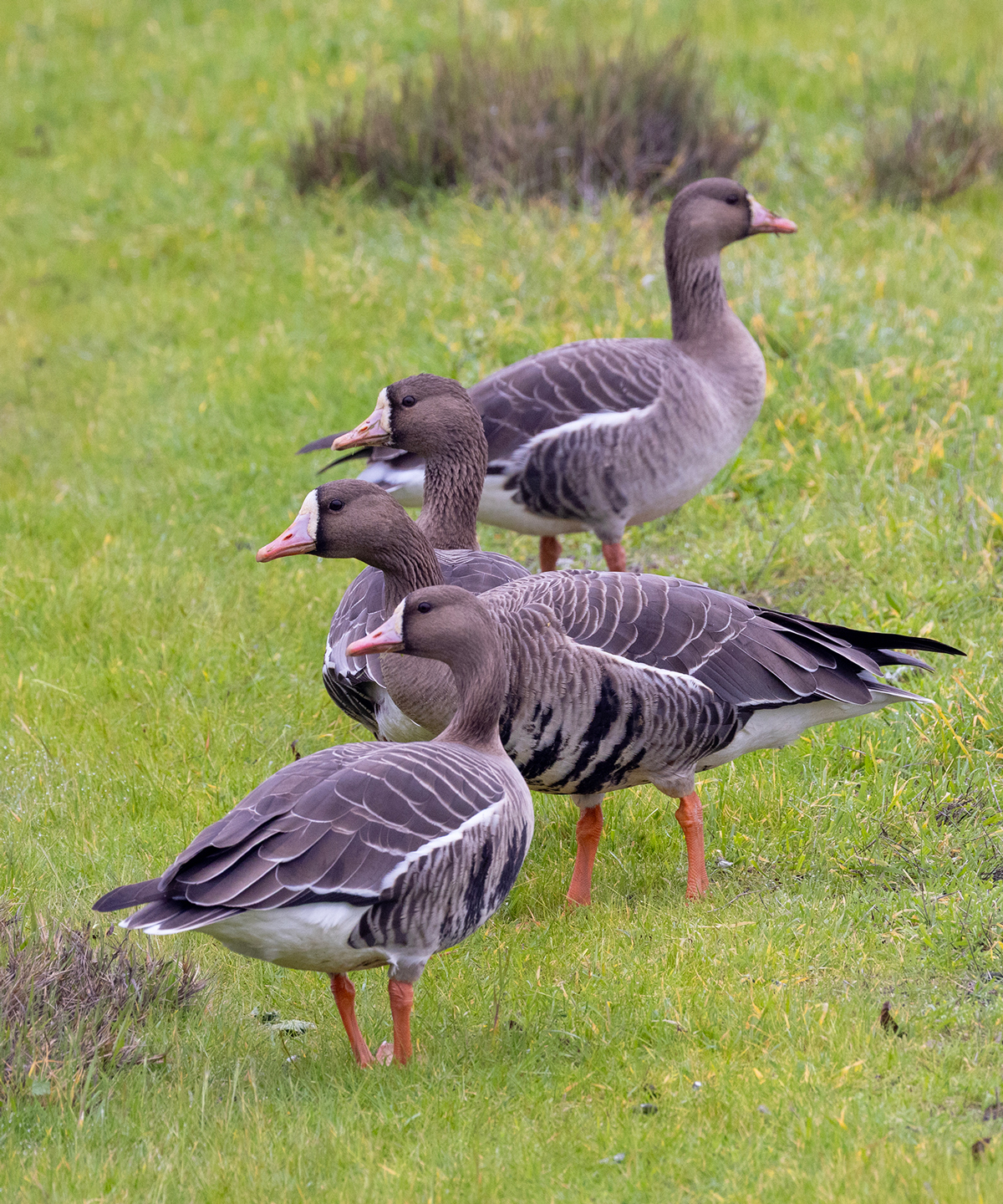
WHITE-FRONTED-GEESE-5-333A5358-WEB
Greater white-fronted geese
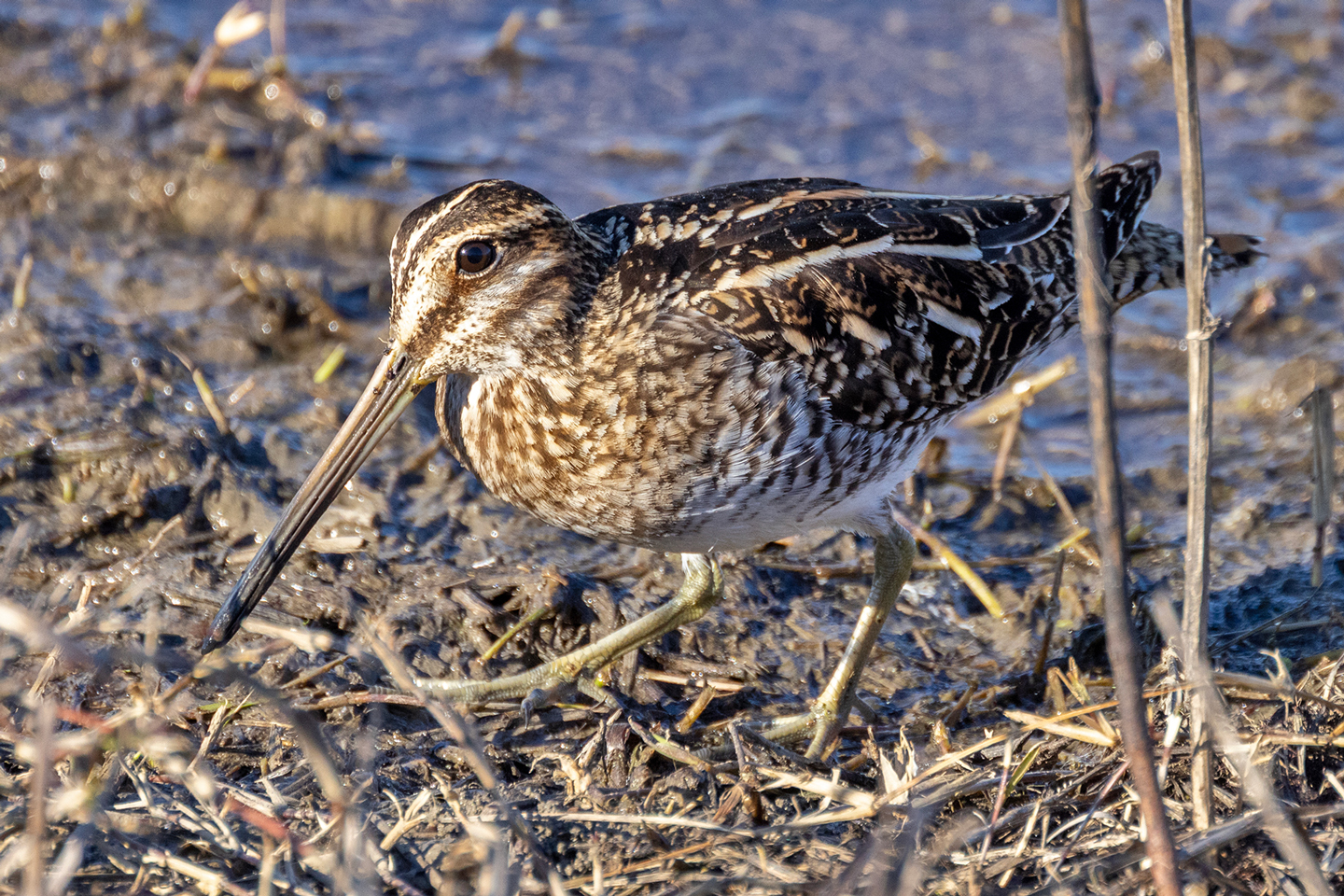
WILSON’S-SNIPE-1-333A7790-WEB
Wilson's snipe
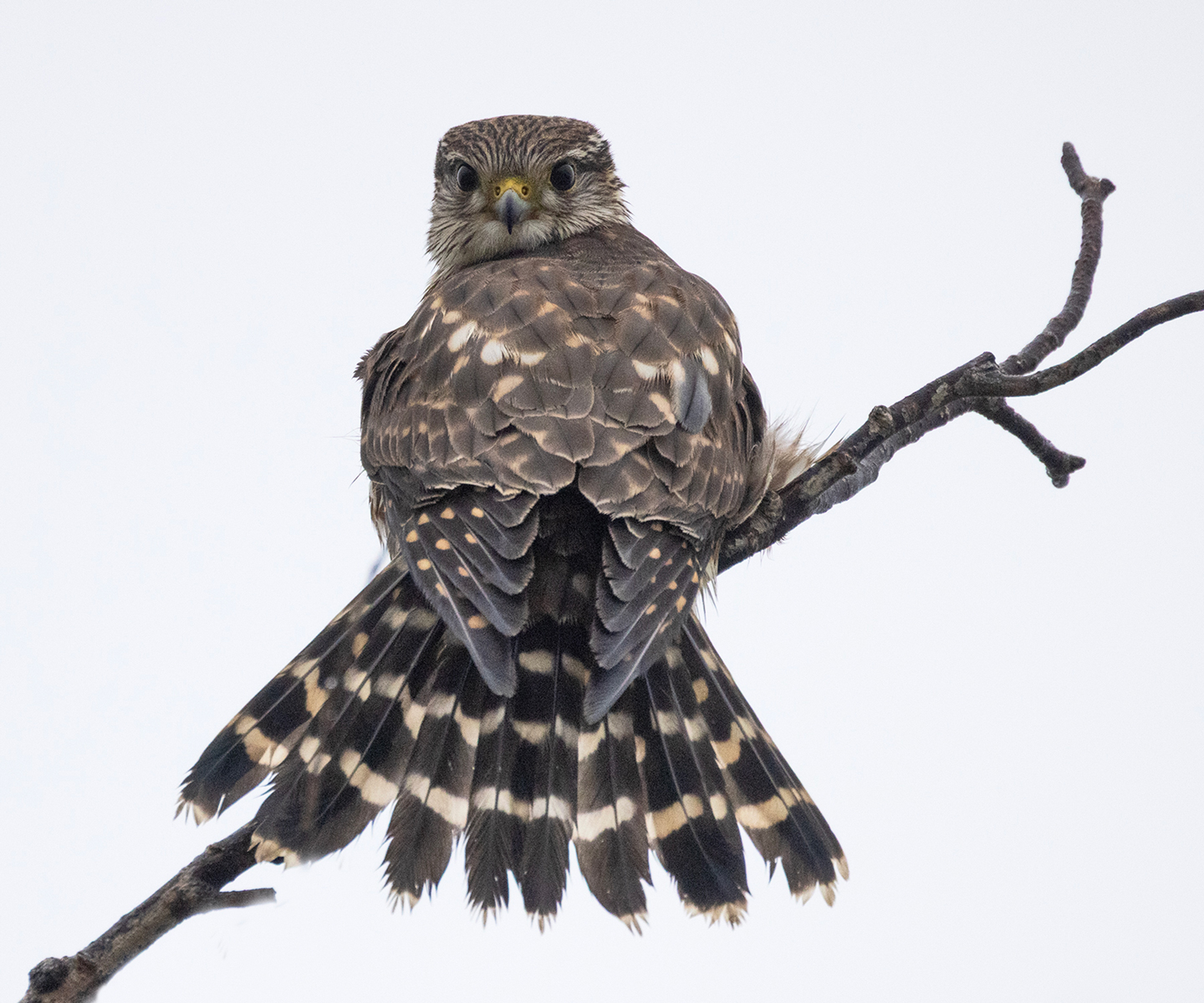
MERLIN-2-333A9573-WEB
Merlin
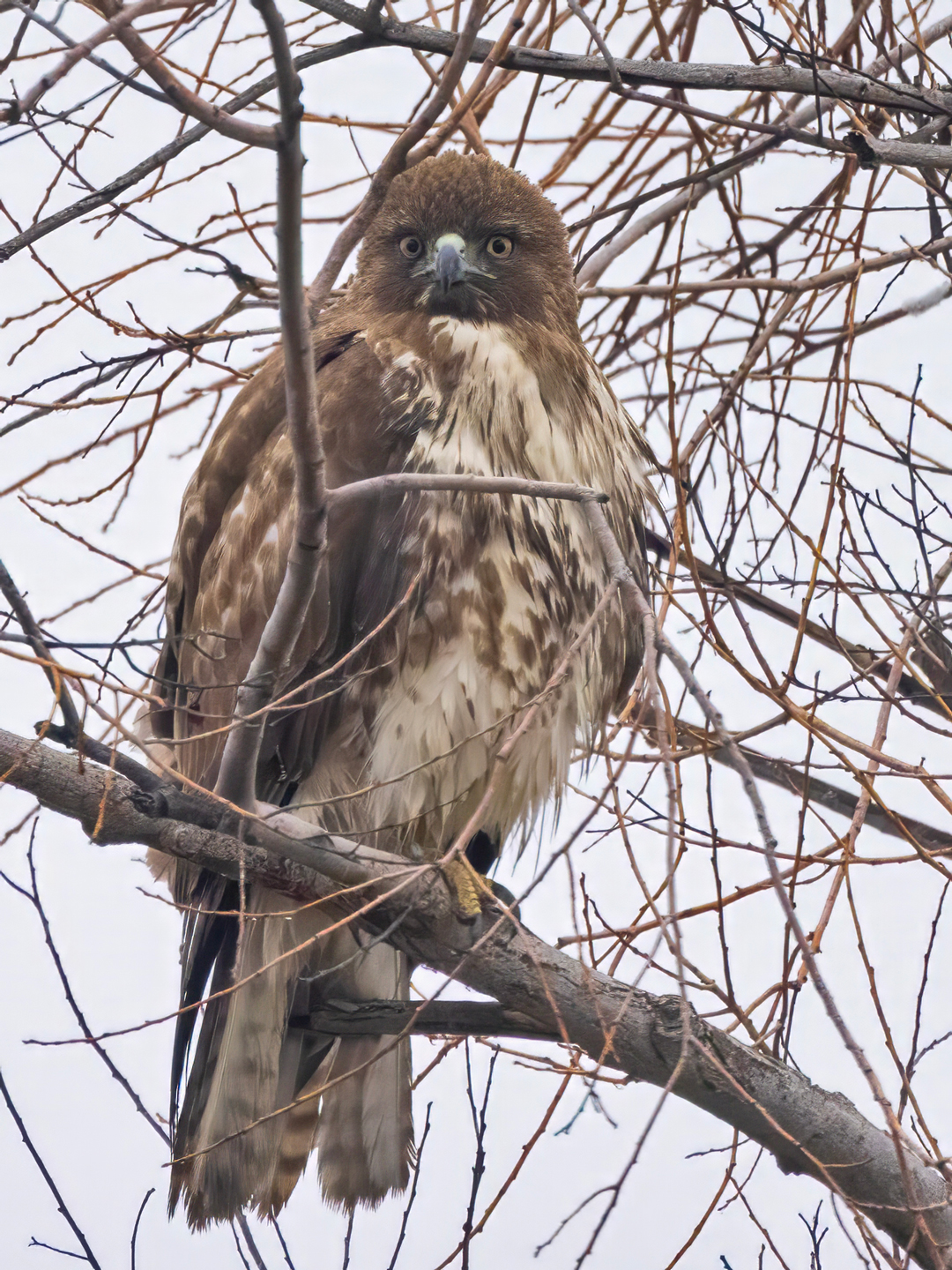
RED-TAILED-HAWK-1-333A9999-WEB
Juvenile red-tailed hawk
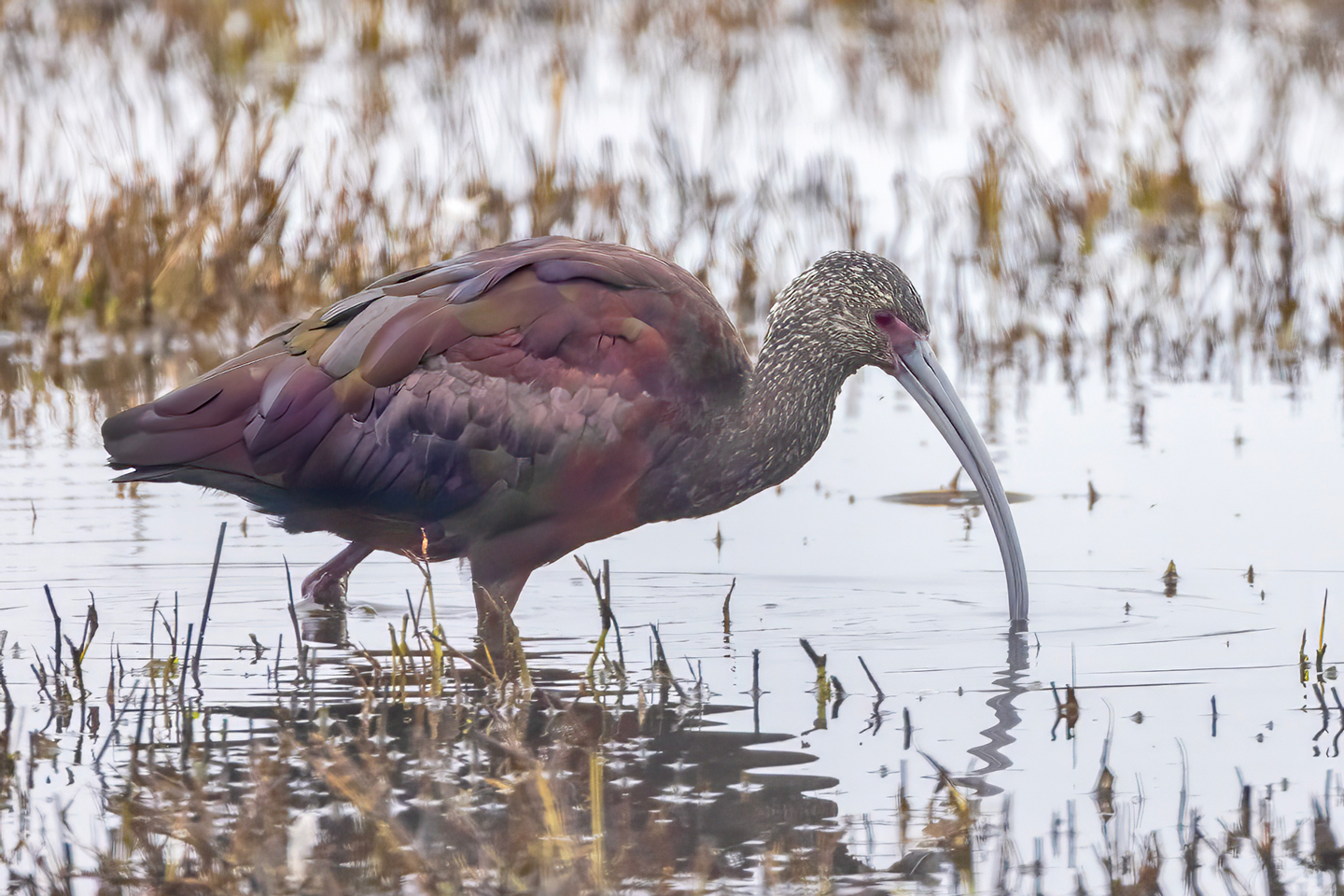
WHITE-FACES-IBIS-2-333A0049-WEB
White-faced ibis
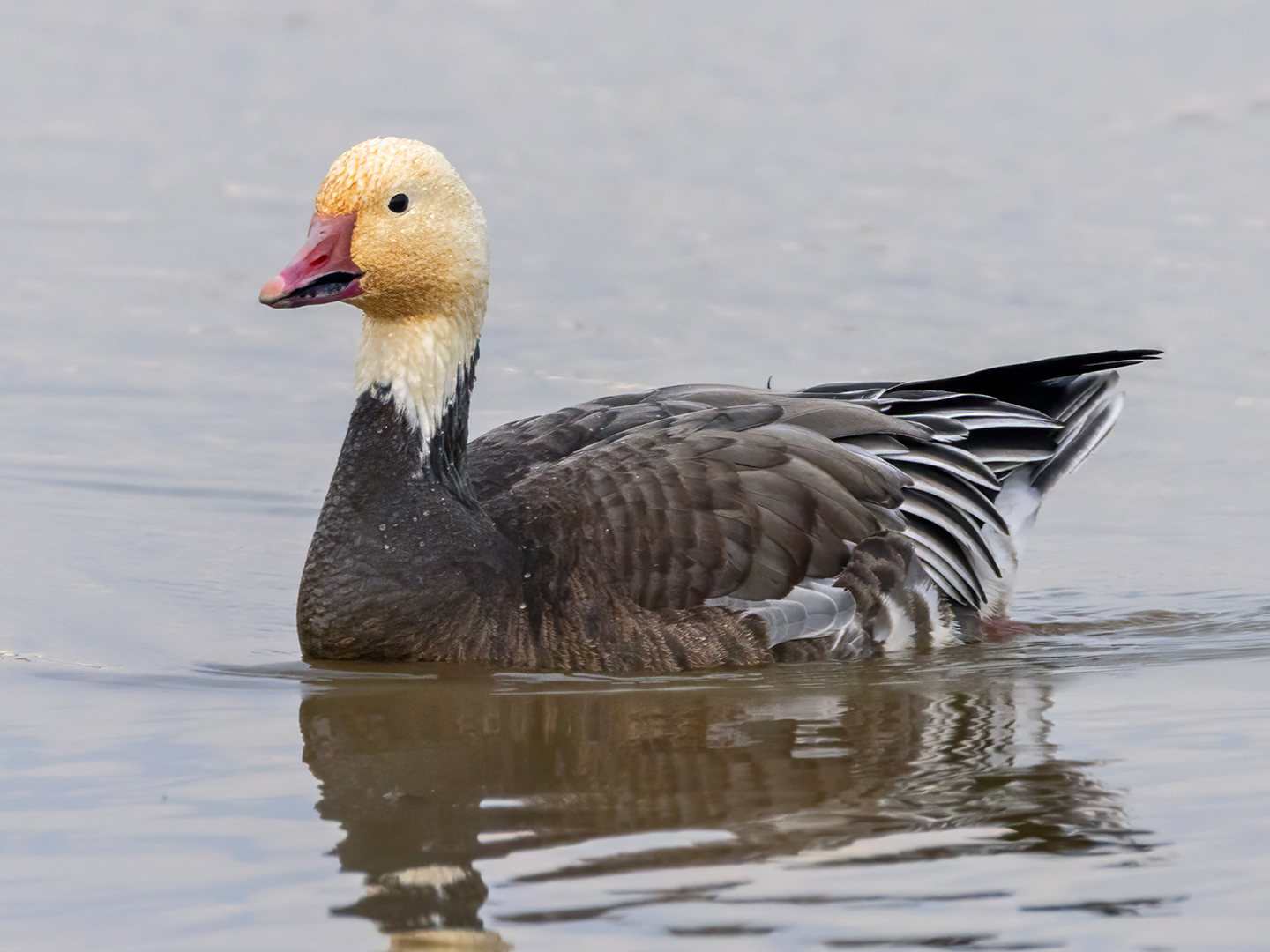
SNOW-GEESE-MORPH-1-333A6787-WEB
Snow goose dark morph, a blue goose
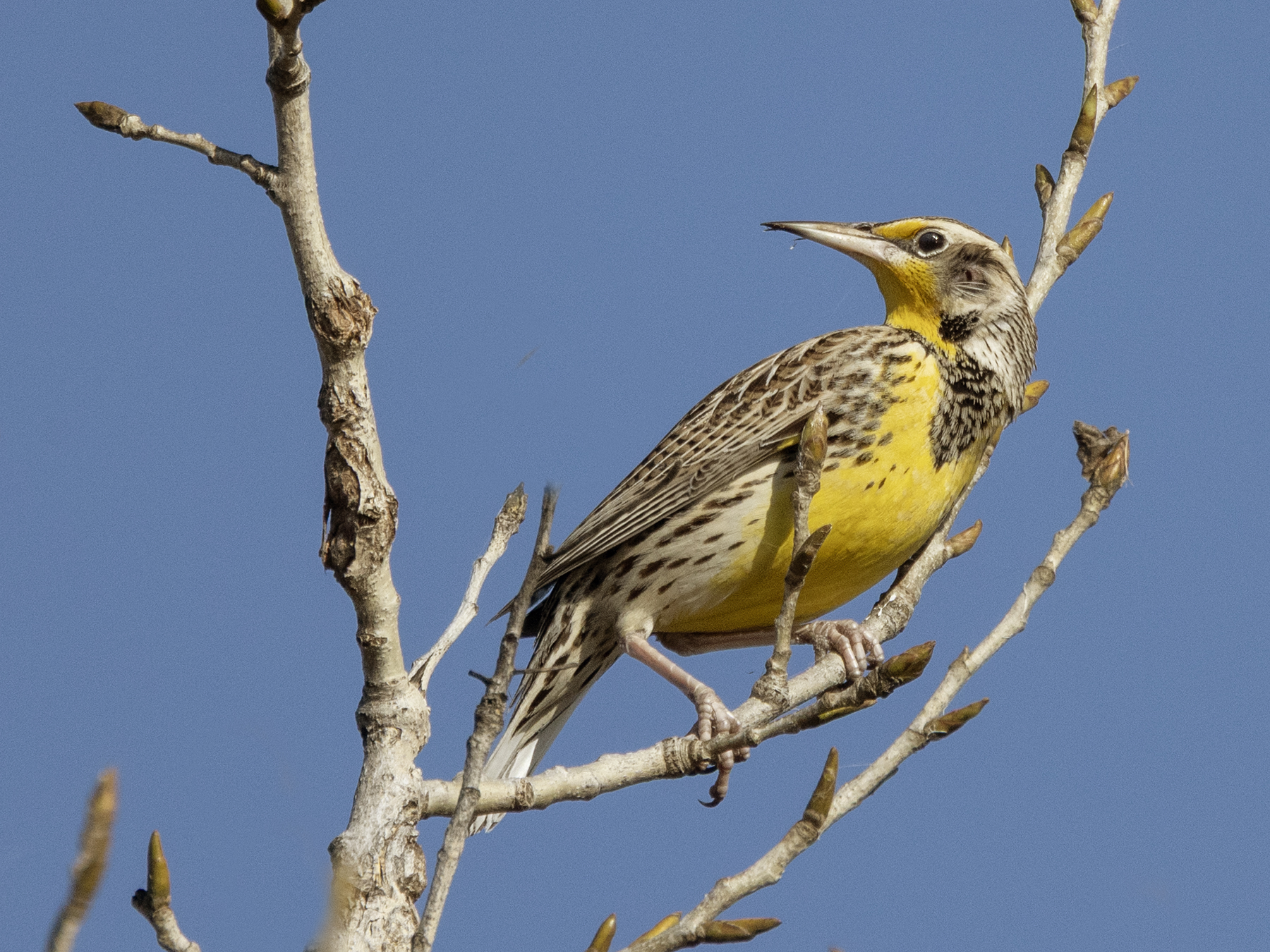
WESTERN MEADOWLARK-2-333A7533 copy
Weastern meadowlark
Hey Carla, I don’t know if your pix or your prose is more gorgeous! Thank you for this wonderful post. I’ve visited the SNWR several times and love the place. Did you see any turtles? There are usually quite a few on the pond next to the pullout that has the viewing platform.
sending gratitude, mudita and love,
Deb
Yes, when the sun broke through, the turtles appeared! Thank you!
Your commentary lifted my spirits as much as the images. Soon our species will need to survive and thrive in such refuges. My hope (and work) is that our refuges will be able to serve many of our more than human relations as well. May we continue to be awake to the spirit of life… your photographs are helpful, sister.
Beautiful, Carla. I loved your connecting the Buddhist idea of refuge with wildlife refuges.
Warmest good wishes from Santa Cruz!
Heidi
I’m particular fond of marsh images. They are my touchstones in Maine.
Your Blog is an excellent way to form chapters for a stunning book. I agree that your writing interweaves beautifully with your writing. Kudos!
Insanely great!Wow, do you lead workshops?
Insanely great! Wow, do you lead workshops?
Beautifully written and great photos of birds, many of whom I rarely encounter. Thanks for sharing!