


INDIANA-CAVERN-9-333A3458-WEB
It doesn’t matter if a cave has been in darkness for 10,000 years or half an hour, once you light a match it is illuminated.
– Paramahansa Yogananda
Indiana Caverns
Corydon, IN
October, 2024
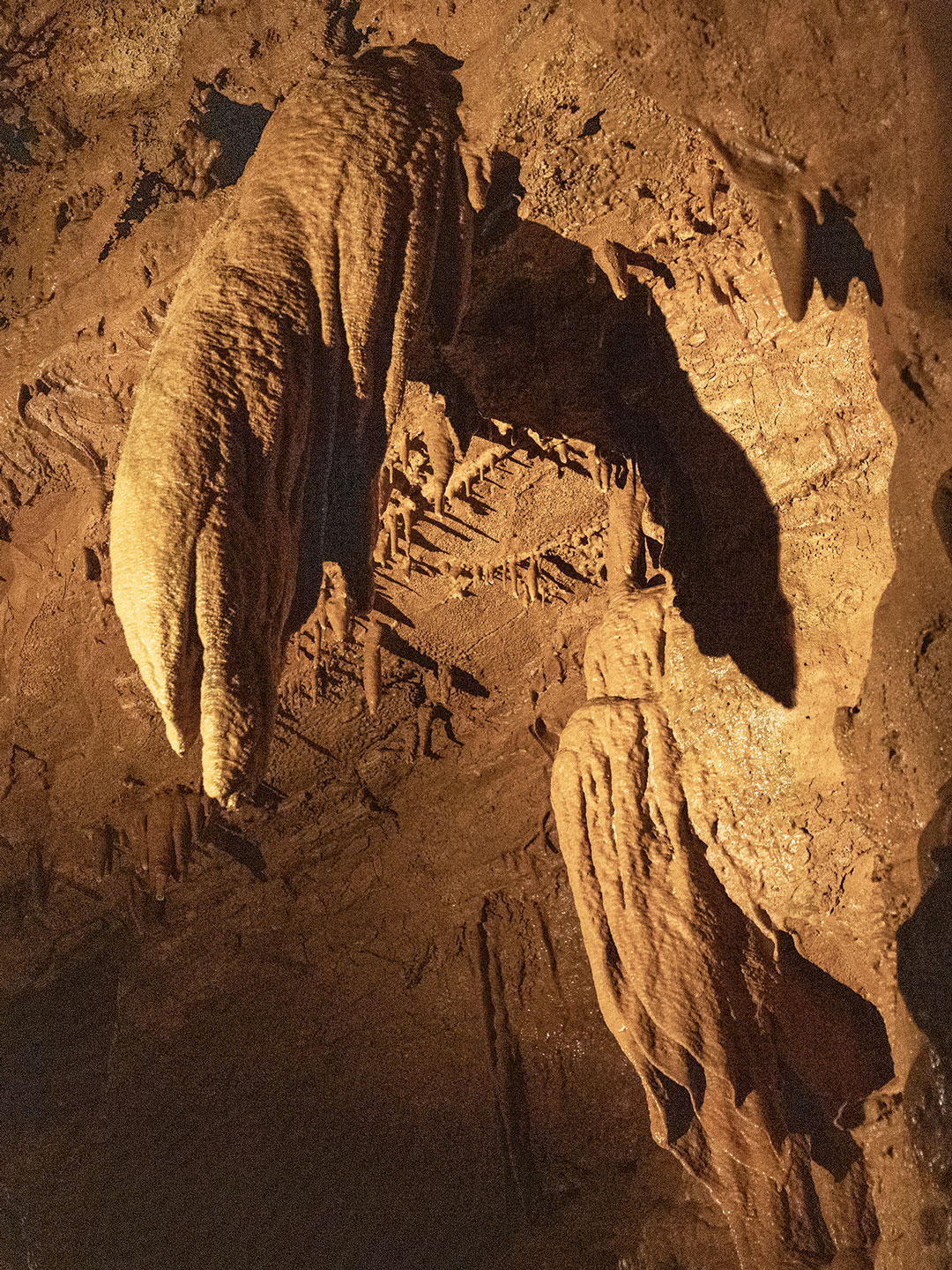
Below the prairies and plains are miles of underground passageways of carved limestone. These tunnels were created as the last ice age receded, its melting water dissolving the rocks with carbonic acid. The limestone was deposited long before that as the exoskeletons of tiny creatures piled up at the bottom of an inland sea over millennia. The natural erosion by water sculpt shapes that look animate and organic as if the cave itself is coming to life.
While crossing Indiana, we stopped at a small private tourist trap, Indiana Caverns. This family run attraction includes a tour through a modest cave, part of a much larger cave system underneath the corn fields and small towns. If spelunking isn’t your thing, they also have bungee jumping, a zip line and friendly goats to feed. This cave can’t compare with the massive caverns of Mammoth Caves National Park in Kentucky, which includes giant stalactites and stalagmites in chambers the size of football fields.
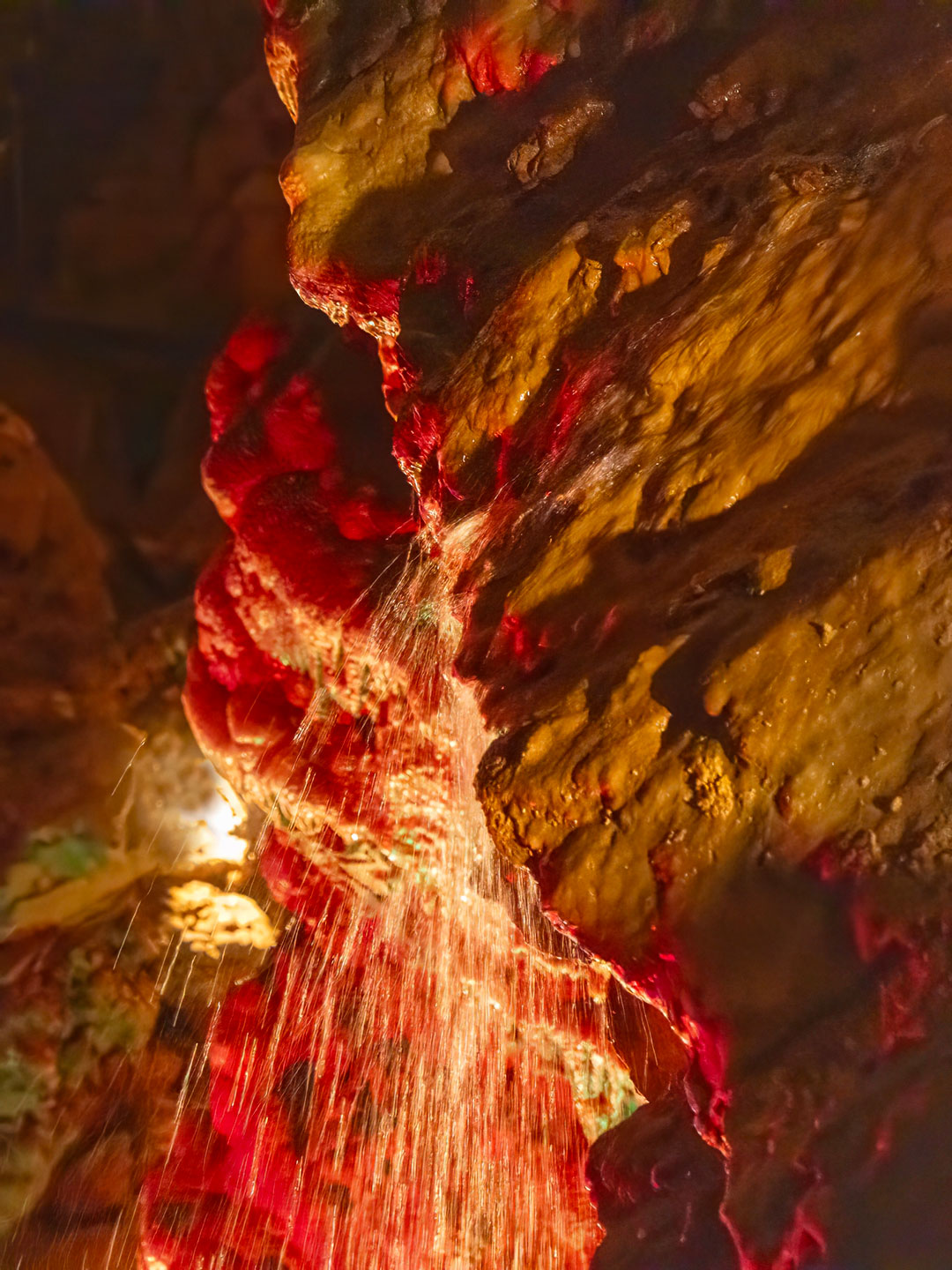
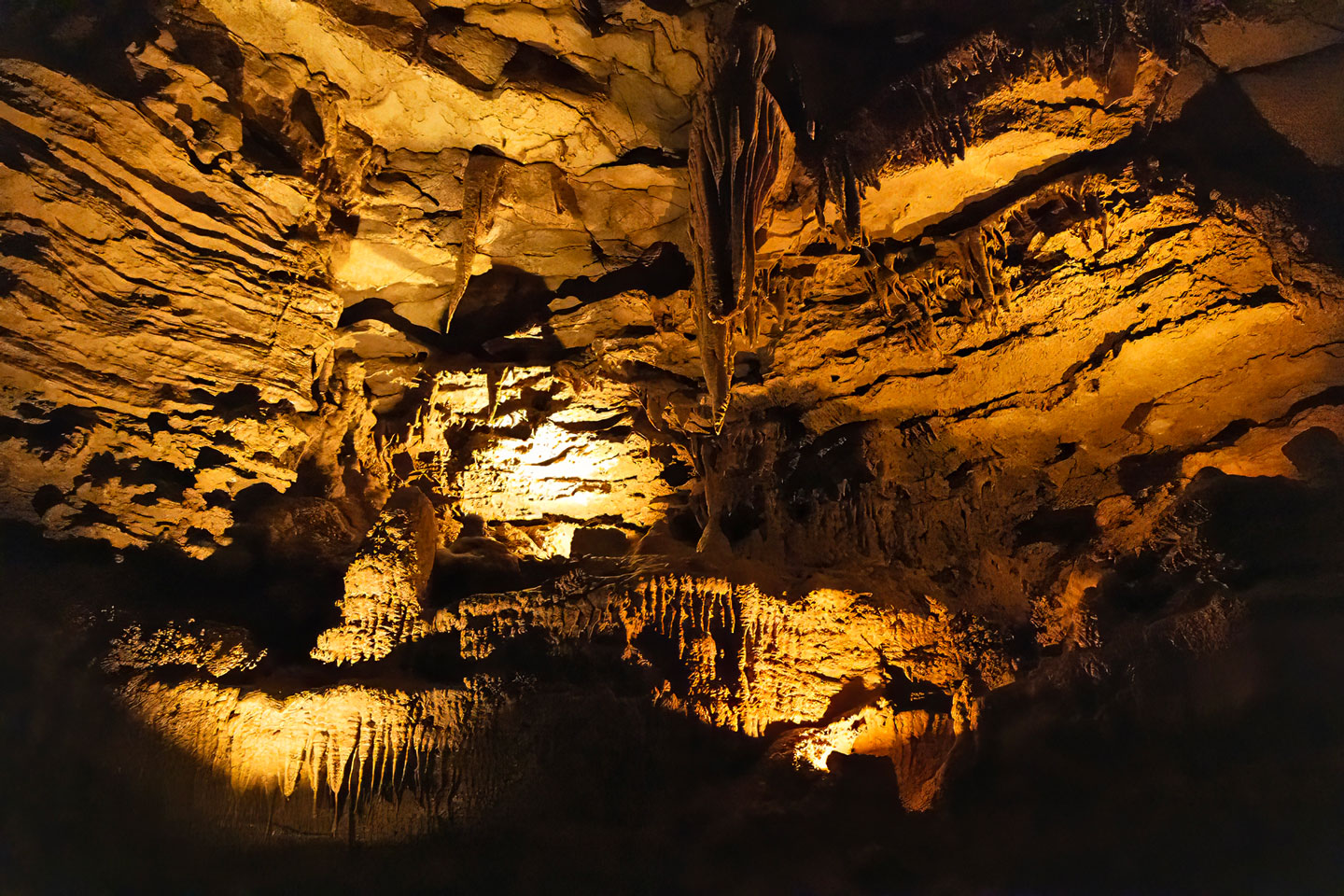
But despite its modest size, we enjoyed our stroll through the sinuous underground walkways. The air was cool, damp and the scenery strange. Part of the tour included a short boat ride that floated along a subterranean stream. A few areas were illuminated with multicolored lights, some of which rotated between red, green, purple and blue creating an otherworldly almost psychedelic effect. You’ll see some of those unnatural colors in my photos. Dimly lit caves are probably the ultimate challenge for handheld photography.
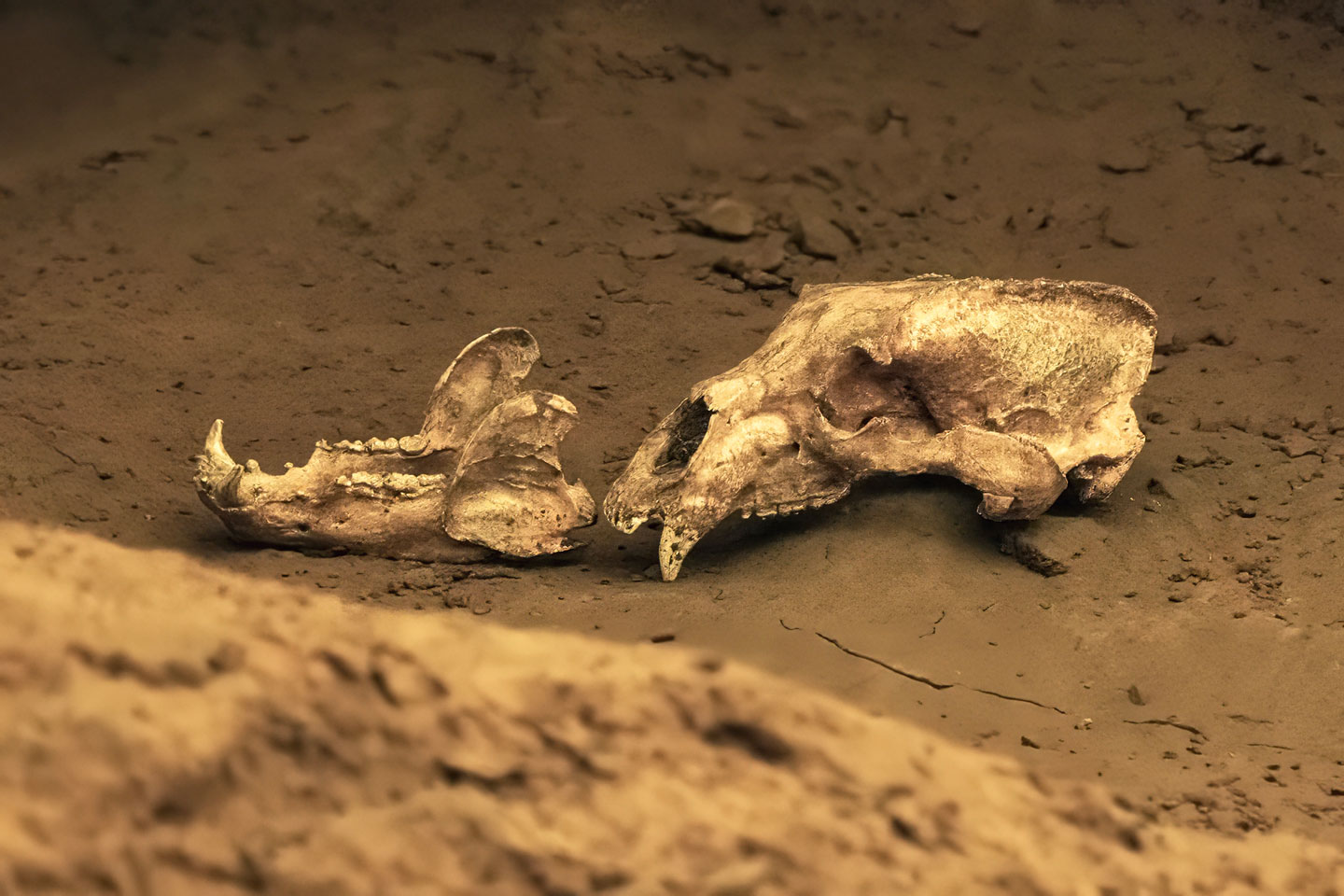
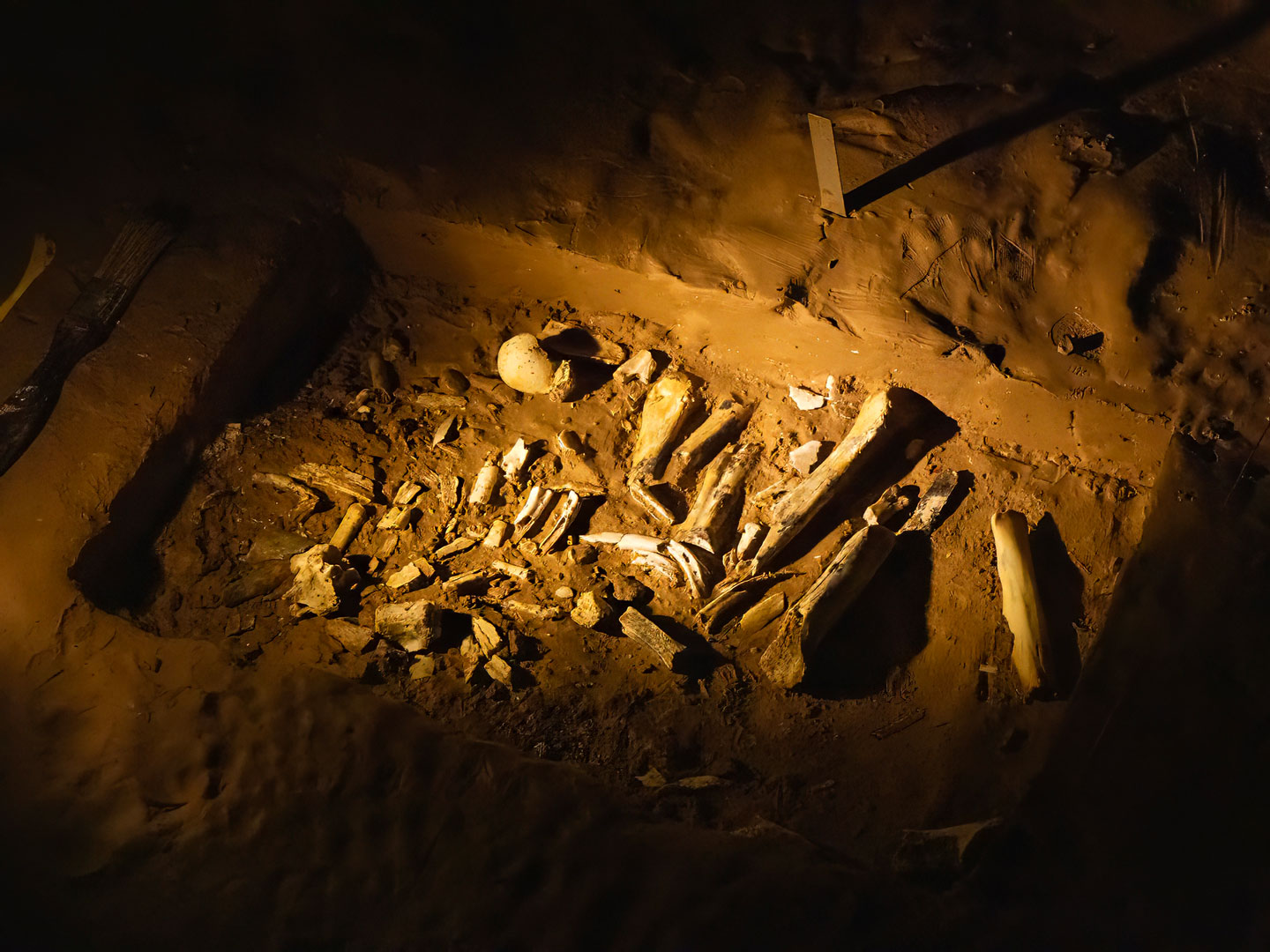
Ice Age bones, 12,000 – 50,000 years old, could be seen in several places. A bear skull and an assortment of flat-headed peccary bones (a species now extinct) were visible near the pathway. Our tour guide claimed that the bones were now the consistency of brittle cookies and would crumble if handled. Sharing more recent history, our guide, a young man probably in his 20’s, explained that he was the great grandson of one of the two original explorers of the cave.
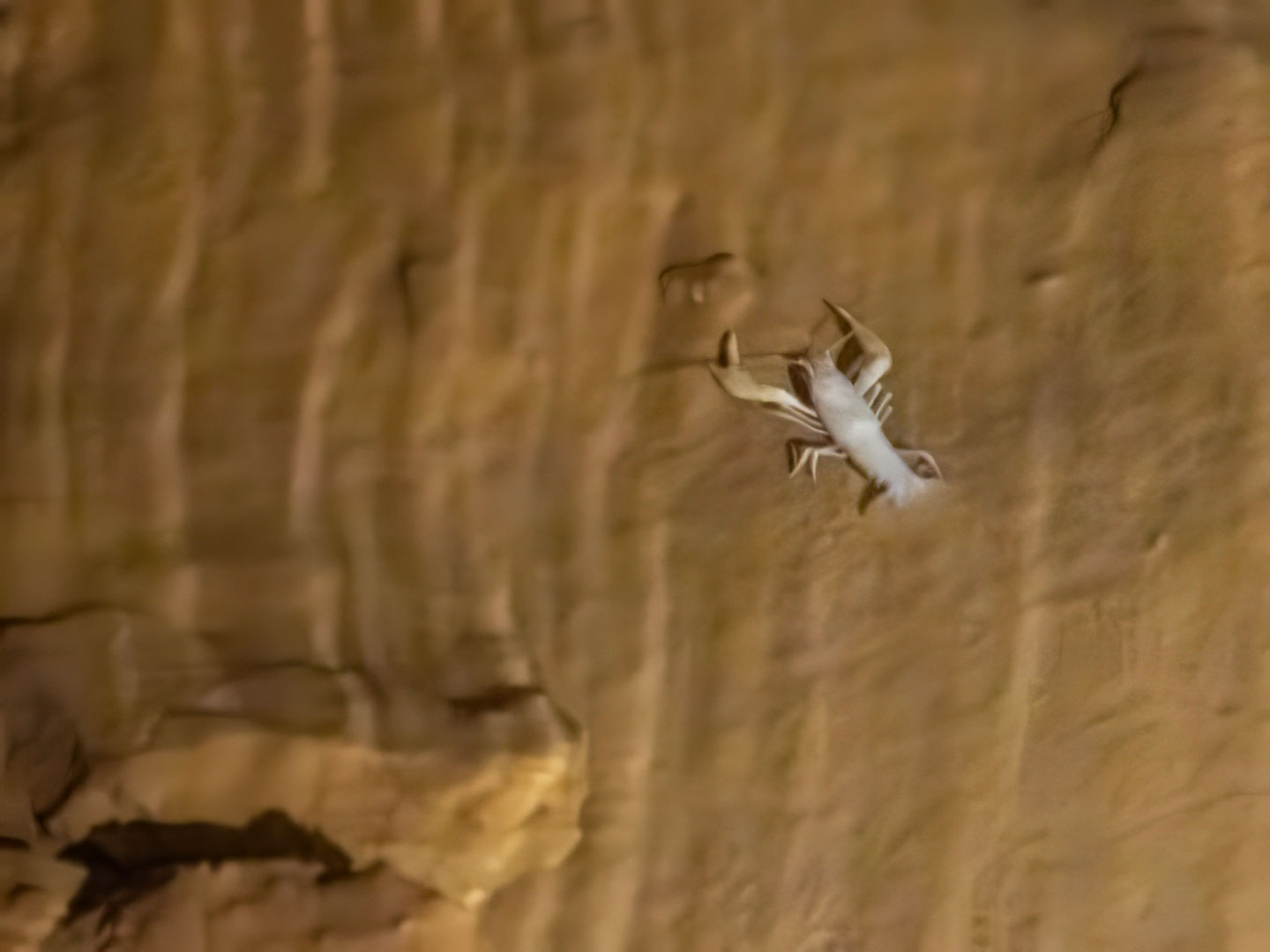
The highlight for me was seeing a 5” cave crayfish. They have adapted to complete darkness by becoming blind and white since neither sight nor pigmentation have any benefits underground.
In a bizarre coincidence, I discovered a missed opportunity. CNN published an article today naming the best restrooms in the US. The top winner was a Maverick bathroom in Salt Lake City with panoramic landscape murals. But the 10 runners up included Indiana Caverns! I am now disappointed that I didn’t go to the bathroom while there.
Here’s what CNN said:
“Indiana Caverns (Corydon, Indiana): The longest cave in the Hoosier State has ‘spacious restrooms’ that were ‘designed for practicality and hygiene’ with multiple stalls.”
Sounds good, but in the top 10? If you stop at Indiana Caverns and have “to go” let me know how it is.
Leave me a comment so I know you were here.
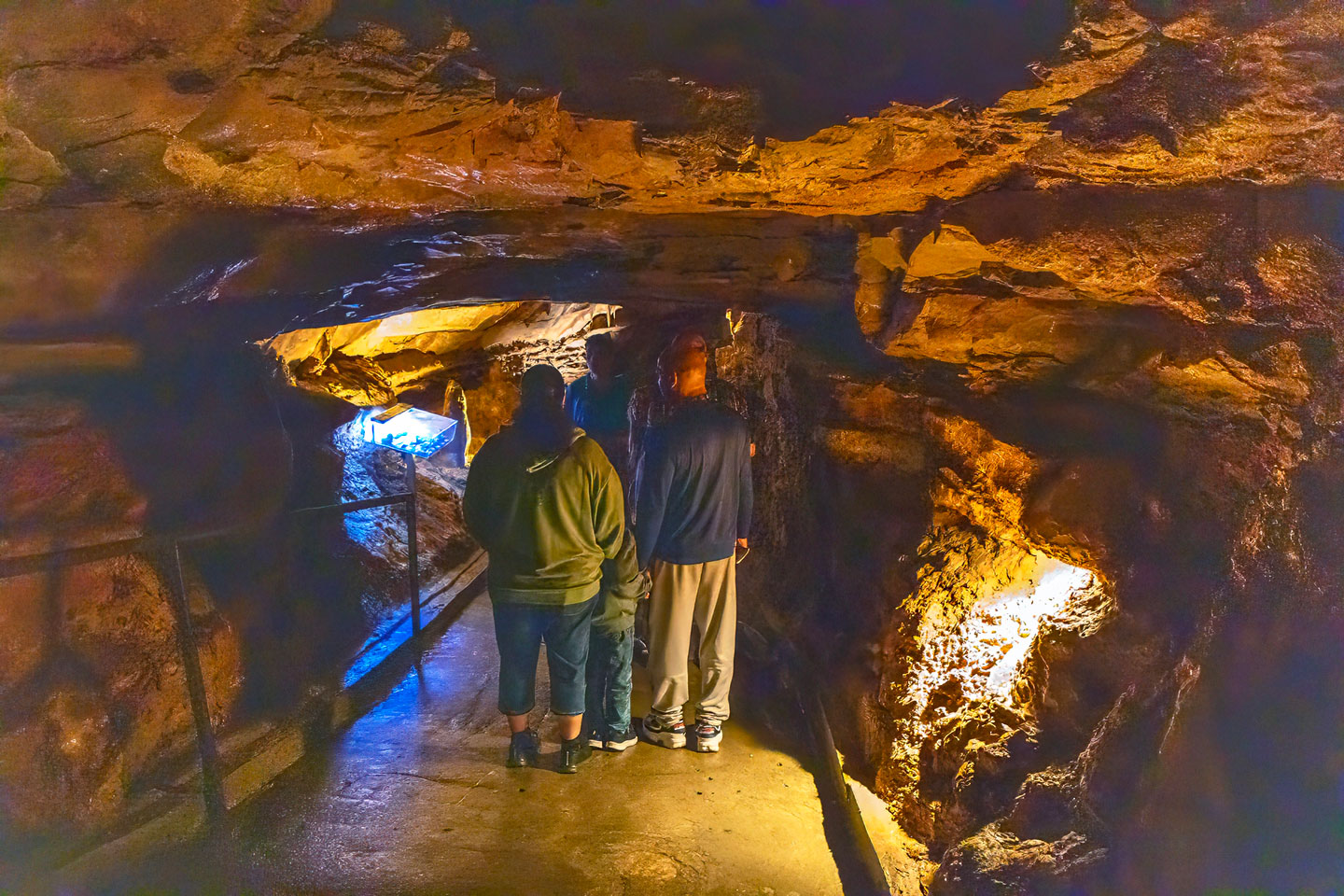
INDIANA-CAVERN-8-333A3452-WEB
Entering the cave
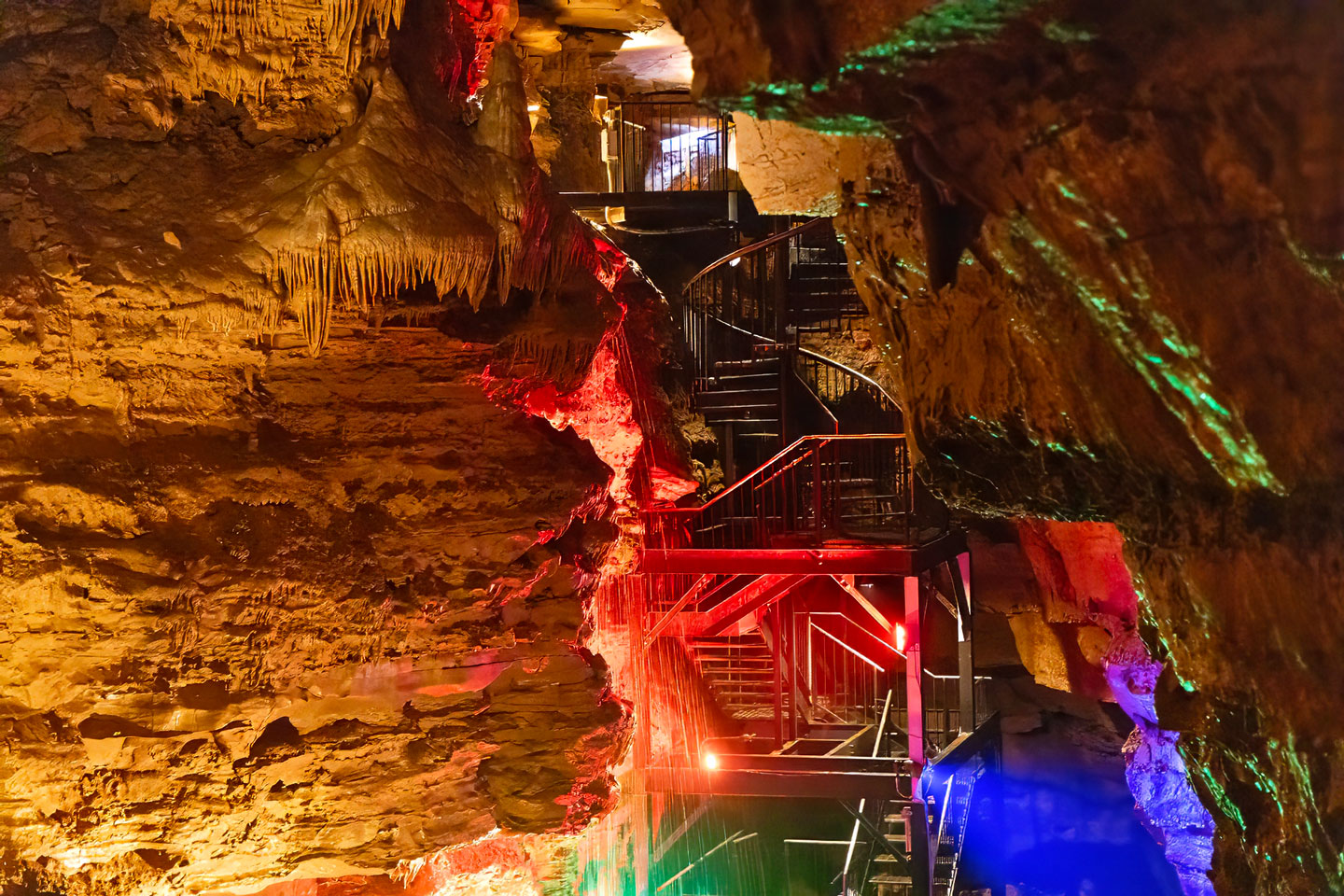
INDIANA-CAVERN-17-333A3497-WEB
Down the stairs
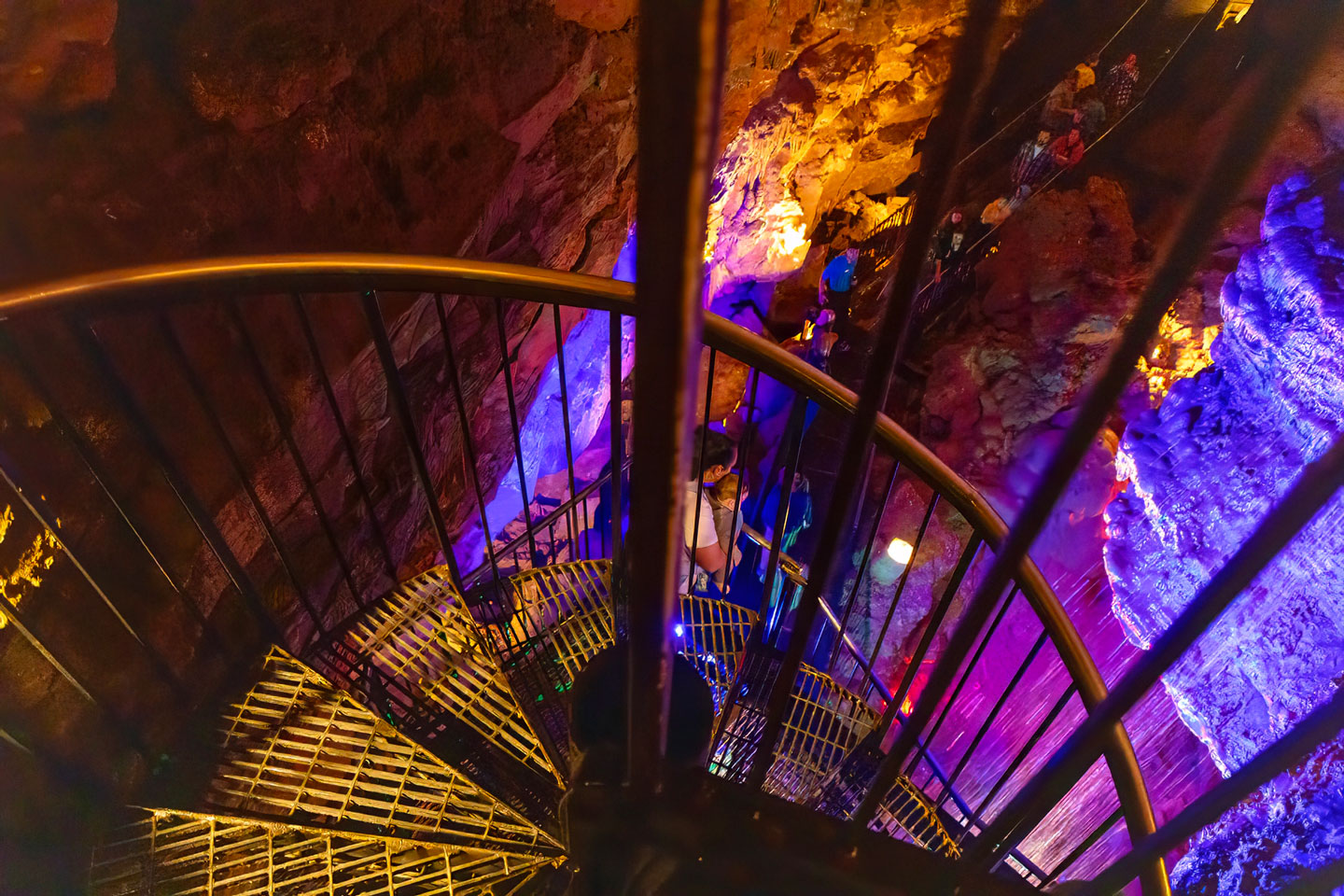
INDIANA-CAVERN-11-333A3464-WEB
Down the spiral staircase
INDIANA-CAVERN-10-333A3461-WEB
INDIANA-CAVERN-3-333A3520-WEB
Cave crayfish
INDIANA-CAVERN-4-333A3515-WEB
Ancient bear skull
PECCARY-BONES-2-333A3513-WEB
Excavating flat-headed peccary bones
INDIANA-CAVERN-2-333A3557-WEB
Stalactite
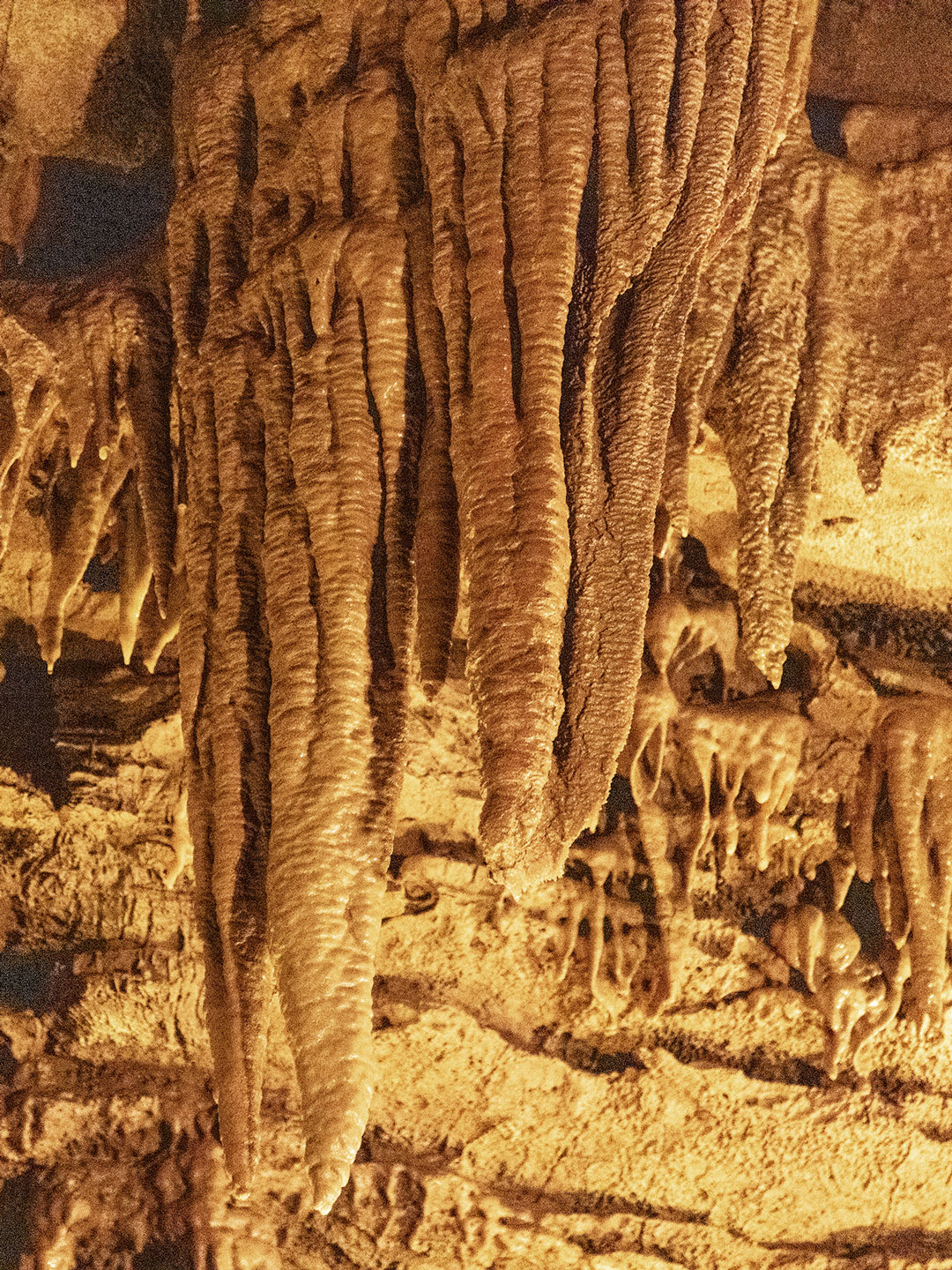
INDIANA-CAVERN-6-333A3491-WEB
Stalactite
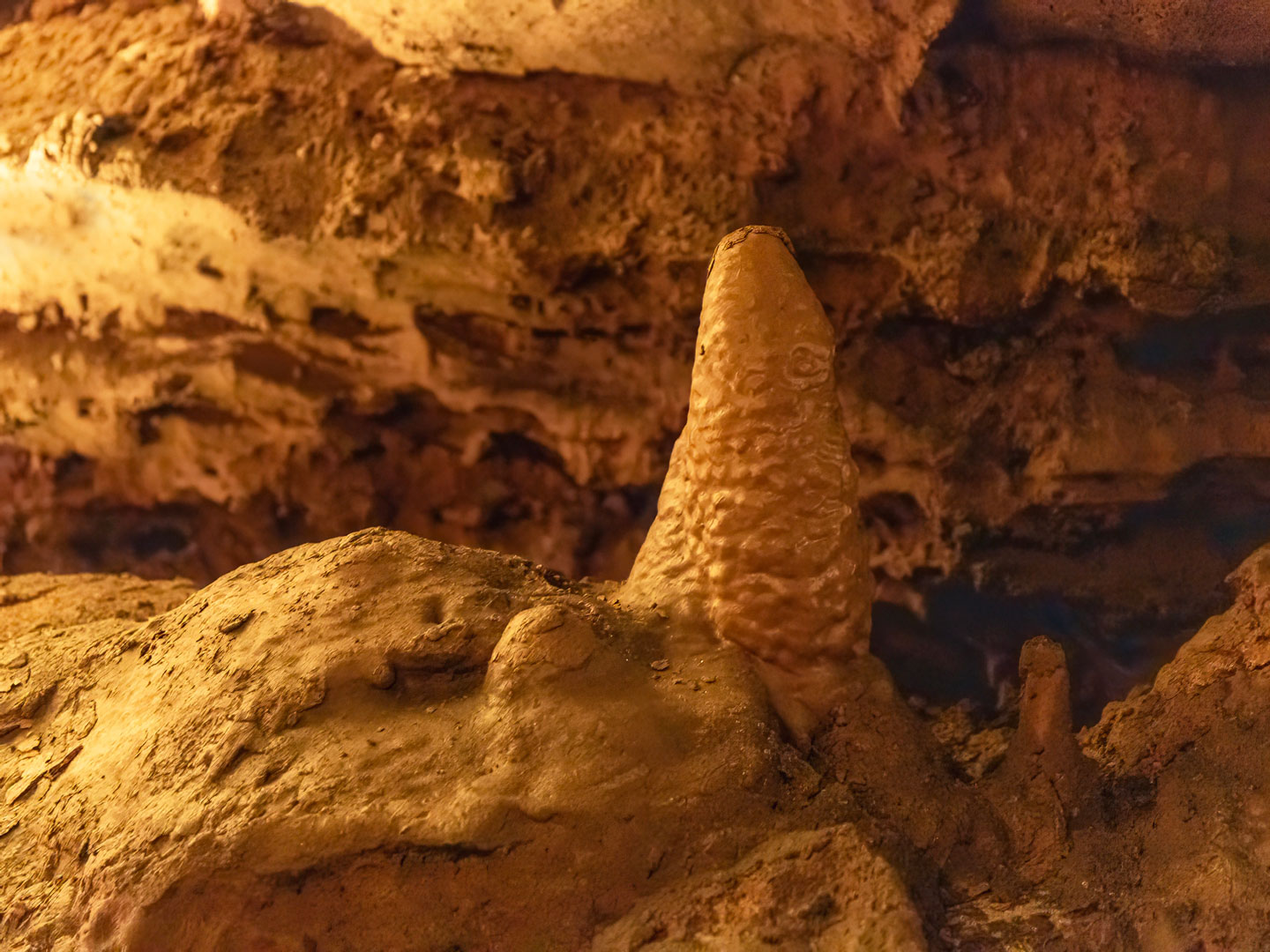
INDIANA-CAVERN-7-333A3456-WEB
Stalagmite

Beautiful pics. Who would have thought that a cave could have such beautiful views?
Reminds me of the famous Luray Caverns of my hometown in Virginia! Beautiful pictures, Carla.